
What Is an Adoption Entrustment Ceremony?
By Laraine · Social Worker & Options Counselor
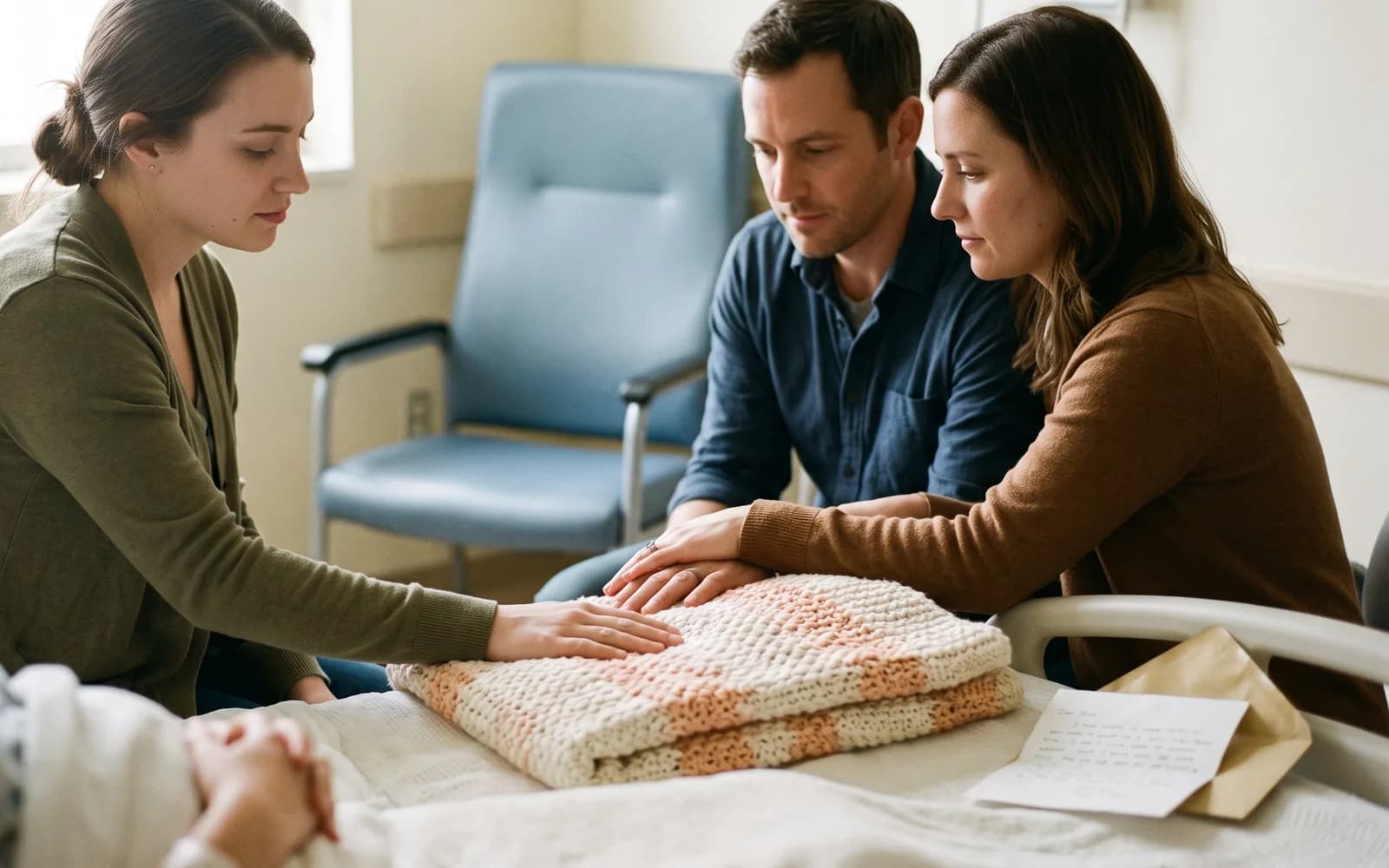
Of all the moments in an adoption, placement is the one no one can fully prepare for: the moment a birth mother hands her baby to the family she chose. An entrustment ceremony is one way some mothers choose to meet that moment. It gives it a shape, and it says, in front of the people who matter, that this child is being entrusted, not given away.
What an Entrustment Ceremony Is
A short, personal ceremony, usually fifteen minutes or less, in which the birth mother (and birth father, if involved) formally places the baby with the adoptive parents. There is no legal part to it. Consent is a separate step, signed with an attorney. The ceremony is purely about meaning, and it exists only if the birth mother wants it.
What Usually Happens
Every ceremony is different because the mother designs it. Common elements include:
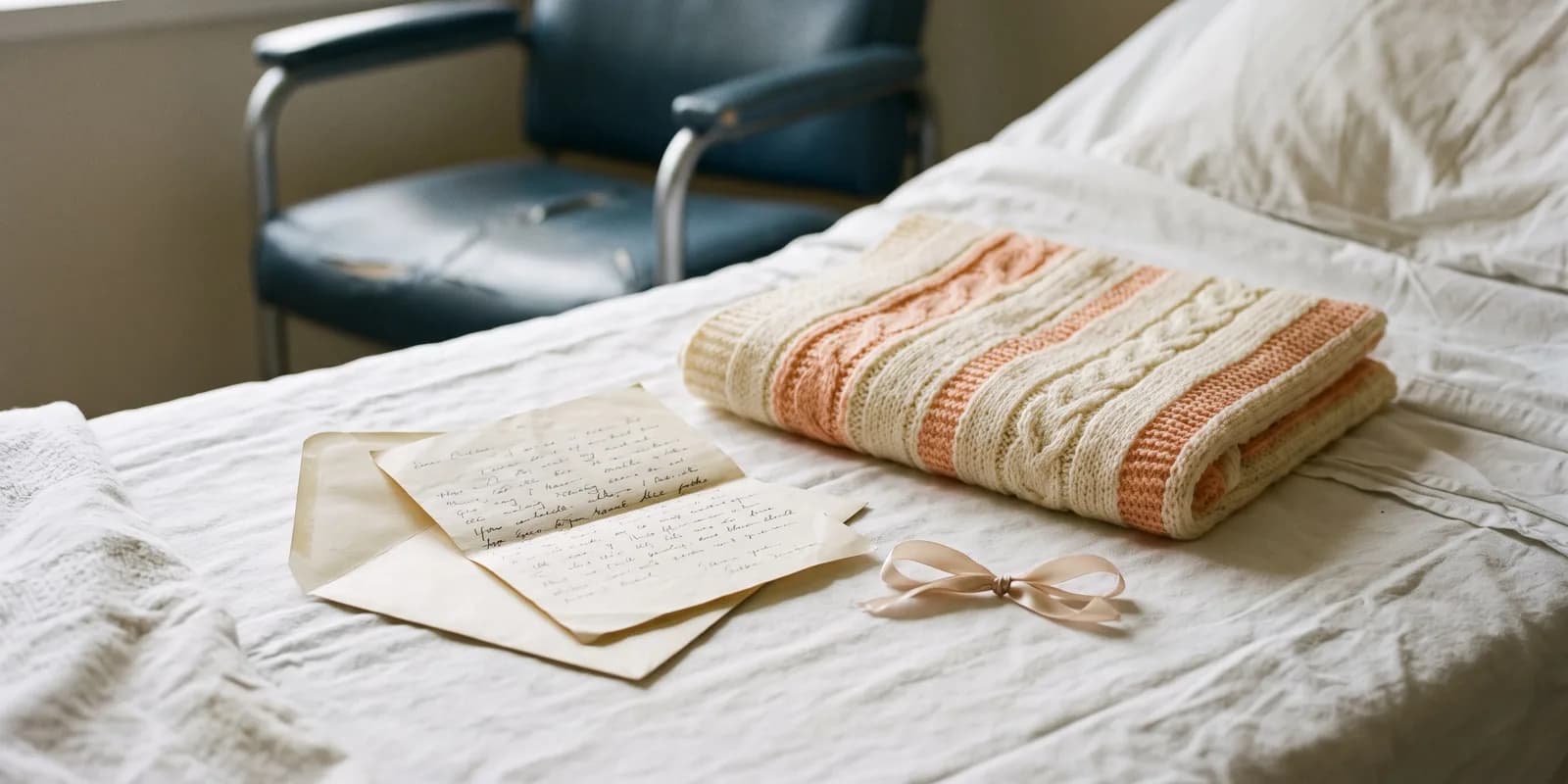
- ●Words from the birth mother to her baby, read aloud or written in a letter the family keeps
- ●Words from the adoptive parents, often promises about openness and about how they will tell the child's story
- ●A gift exchanged in each direction: a blanket, a piece of jewelry, a book inscribed for the child
- ●A blessing or prayer, if faith is part of the family's life, or a poem or song if it isn't
- ●A moment of placing the baby in the adoptive parents' arms, sometimes with a photo both families keep
Where and When It Takes Place
Most happen at the hospital, in the birth mother's room or a family room, in the day or two after birth. Some take place at the agency, at a church, or at the adoptive family's home a little later. The timing is written into the hospital plan so the nursing staff know what to expect and can give the families privacy.
Who Is There
Whoever the birth mother wants: the adoptive parents, her own family or close friends, the birth father, her counselor, a chaplain or clergy member. Some mothers want only the adoptive parents and the counselor. Some want a room full of people. Both are right.
Many birth mothers choose not to have a ceremony, and placement happens quietly instead. That is just as valid. Your counselor will ask what you want and help you plan it, but no one will push you toward a ceremony you don't want.
How to Plan One, Step by Step
- Tell your counselor you're considering it. No commitment; just a conversation about what it might look like.
- Decide who is there. Only the people you want. It can change up to the day itself.
- Decide where and when. Your hospital room, a family room, the agency, or somewhere else. Usually the day after birth, but not always.
- Choose the elements. A letter, a gift, a blessing, a song, a photo, or just a few words. One element is enough.
- Let the hospital know. Your counselor adds it to your hospital plan so the staff give you privacy and don't interrupt.
- Keep it flexible. If on the day you want it shorter, longer, or not at all, that is fine. The plan serves you, not the other way around.
Finding the Words
Most mothers worry about this part more than any other, and most find that a few honest sentences are better than a speech. Some read a letter they have written over several days; some say one line; some say nothing and let the moment be. Composite examples of what mothers have said: “I chose you because of the way you talked about him before he was born.” “I want her to know I did this because I love her, not because I didn't.” Adoptive parents often answer with promises: that the child will always know her name, that the door stays open, that the letter will be kept and read. Your counselor can help you draft something if you want, and can hold the letter for you if you'd rather not read it aloud.
If the Birth Father or Your Family Attend
A supportive birth father can take part fully: speak, give a gift, be in the photo. Parents, siblings, and friends can be there too, and many mothers find it easier with someone beside them. It is equally fine to keep it to the smallest possible group. If a family member is not supportive of your decision, you are not obligated to include them, and your counselor can help you handle that conversation.
For Adoptive Families: How to Show Up
Follow her lead in everything. Arrive when she asked you to, not earlier. Don't take photos unless she offers. Bring your letter and your promises, and keep them short. Say thank you plainly; it does not need to be eloquent. And remember that she will have hard days after this one, so the promises you make here are the ones you will be keeping for years.
After the Ceremony
The hours and days after placement can be the hardest of the whole process, ceremony or no ceremony. Counseling continues for as long as you want it, starting that same day if you need it. Your first photo update or message arrives on the schedule in your plan. Many mothers keep a copy of their letter, the photo from the ceremony, or a small matching gift, and say years later that it helped to have something to hold.

Why Some Birth Mothers Say It Helped
Grief is part of placement even when the decision is clear. Mothers who chose a ceremony often tell us it gave them something to hold onto afterward: that they placed their child with intention, that the family made promises out loud, and that there is a letter or photo marking the moment. It can also become part of the child's story, told back to them years later.
If you're thinking through what you'd want at the hospital, our guide to giving a baby up for adoption at the hospital covers the rest of the hospital plan, and what an adoption plan includes shows where the ceremony fits.
Frequently Asked Questions
Is an entrustment ceremony legally required?
No. It has no legal role at all. Consent is a separate step signed with an attorney after birth. The ceremony is a personal moment the birth mother chooses to have, or not.
Who plans an adoption entrustment ceremony?
The birth mother decides what she wants, and her counselor helps arrange it, including coordinating with the hospital and the adoptive family.
Where does an entrustment ceremony happen?
Most take place at the hospital in the day or two after birth. Others happen at the agency, a church, or the adoptive family's home.
What do people say or do at an entrustment ceremony?
Often a letter or words from the birth mother to her baby, promises from the adoptive parents, a small gift each way, a blessing or reading, and the moment of placing the baby in the family's arms. The mother chooses every element.
Is an entrustment ceremony religious?
Only if you want it to be. Some include a blessing or prayer from clergy; others use a poem, a song, or simply a few words. The agency is non-denominational and helps plan either kind.
Can an entrustment ceremony happen after I've left the hospital?
Yes. Some take place at the agency or at the adoptive family's home days or weeks after placement, especially when a mother decides later that she wants one.

Questions About Your Situation?
Our counselors are available 24/7, free, confidential, and no obligation.
Related Articles

What Is an Adoption Plan? What It Includes and How It Works
An adoption plan is not a contract. It's the set of decisions you make, with a counselor's help, about how your baby's adoption will go: who the family is, how much contact you want, what happens at the hospital, and what support you'll have afterward.

Open Adoption vs Closed Adoption: Which Option Is Right for You?
Open, semi-open, and closed adoption each describe a different level of contact between birth and adoptive families. Most adoptions today are open or semi-open, here's how to think about which is right for you.
I'm Pregnant Again. Can I Choose the Same Adoptive Family?
If you placed a child for adoption and you're pregnant again, you can usually ask for the same family, and many families say yes. Here's how the conversation happens, what has to be current on their side, and what your options are if it doesn't work out.