
I'm Pregnant Again. Can I Choose the Same Adoptive Family?
By Laraine · Social Worker & Options Counselor
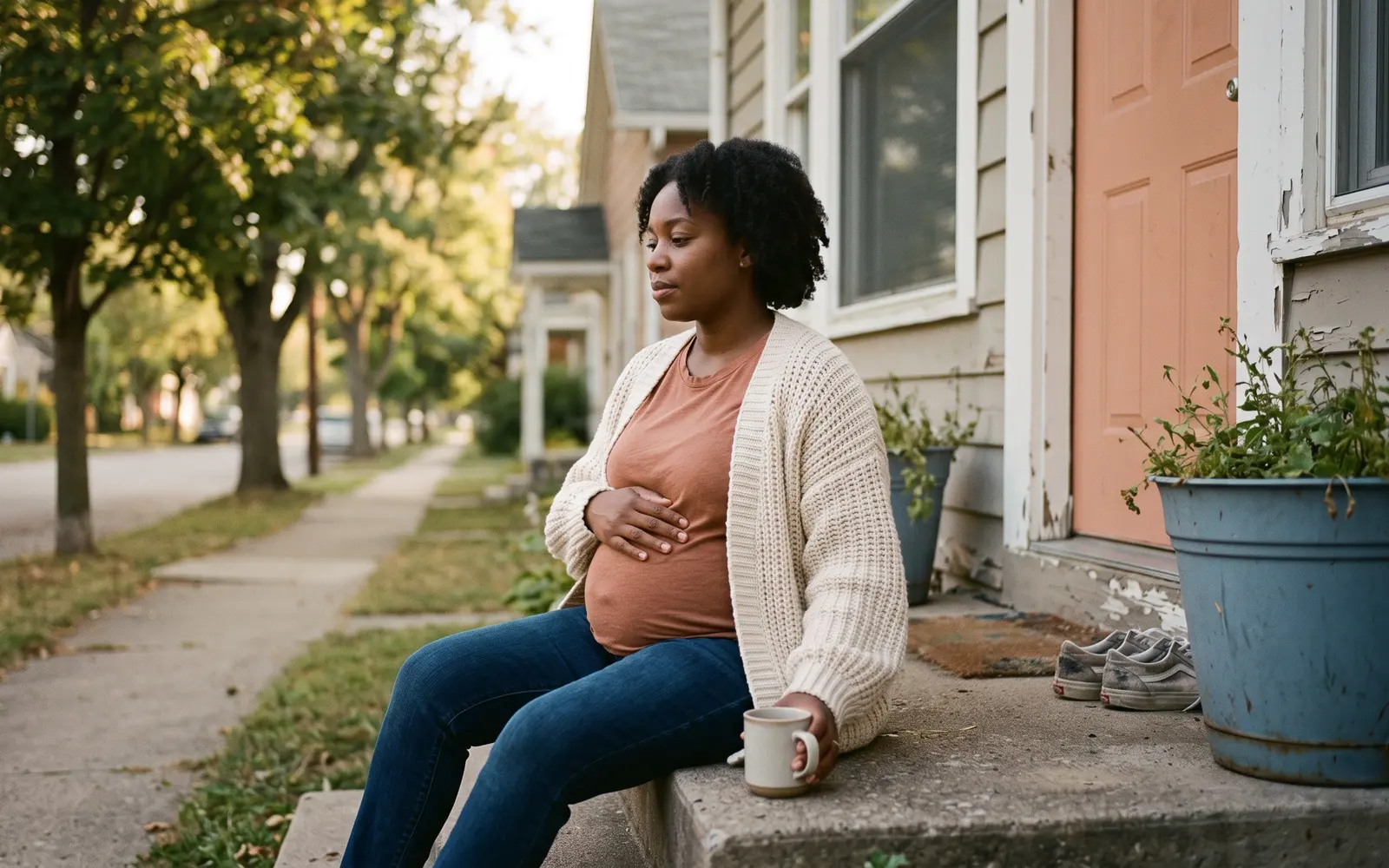
We hear this question more than you might expect, and the answer is usually yes. If you placed a child with a family and you're pregnant again, you can ask that the same family adopt this baby too, so the siblings grow up together. Families who have adopted once are often hoping for exactly this call.
How It Works
- You call us. Tell your counselor, or any counselor, that you're pregnant and would like to consider the same family. Nothing about that call commits you.
- We contact the family. Your counselor reaches out to them privately. You don't have to make the ask yourself, even if you have an open relationship with them.
- Their paperwork is checked. A home study has to be current (they're usually valid for a year or two) and background clearances have to be up to date. Many families keep theirs current for this reason; if not, updating is usually quick.
- You make a new adoption plan. Same family, but a new plan: a new hospital plan, and openness terms you can keep or change. Every service is free, just like the first time.
- Consent is signed after birth. Exactly as before. Nothing is final until then, and you can change your mind at any point before you sign.

What If the Family Can't Say Yes?
Sometimes a family can't, for reasons that have nothing to do with you: a move, a health issue, finances, a family already at the size they planned. If that happens, your counselor will tell you gently and help you look at other families, including ones open to ongoing contact with your first child's family so the siblings can still know each other. Some mothers also choose to parent this time. All of these are real options, and counseling is there for every one of them.
Does Utah Law Prefer Siblings Stay Together?
There's no law requiring it, but keeping siblings together is widely recognized as being in children's interest, and agencies and courts take it seriously when the birth mother asks for it. Your choice of family remains yours.
A second placement can bring up the first one all over again. That is normal. Counseling before, during, and after is free and unlimited, and it's okay if some of what you need to talk about is the first adoption rather than this one.
Why Families Usually Say Yes
Families who have adopted once are often hoping for a sibling, and a sibling who shares a birth mother is the closest match there is. They already know you, trust you, and have a relationship with you if the adoption is open. Many families keep their home study current for exactly this possibility, and some tell their counselor on the day of the first placement that they would say yes again. That is not pressure on you. It just means the question is usually easier to ask than mothers expect.
What the Next Few Weeks Look Like
- Week 1. You call. Your counselor listens, answers questions, and asks whether you want her to reach out to the family.
- Week 1 to 2. The family is contacted privately. Most answer within days. Their home study and clearances are checked or updated.
- Week 2 to 4. If they say yes, you build a new adoption plan together: hospital plan, openness, support. If they can't, your counselor shows you other families.
- Through delivery. Counseling and support continue, and your attorney is arranged at no cost.
- After birth. Consent is signed only after birth and any waiting period your state requires (in Utah, at least 24 hours). Until then, every part of this is still your decision.
If Your First Adoption Was Closed or Semi-Open
You can still ask. The agency contacts the family through the channel the first adoption used, even if you have had no direct contact since. A second placement sometimes opens up a closed adoption, because both sides are talking again, but it does not have to. You can also decide this time that you want more contact, or less, and build the new plan accordingly.
If the Family Lives in Another State
That is common and it works the same way it did before. Interstate placements go through the ICPC process, which the agency handles, and the family travels to you around the birth. Nothing about the distance changes your rights or the support you receive.
If You Decide to Parent This Time
Some mothers start this conversation and discover, through counseling, that this time they want to parent. That is a good outcome of counseling, not a failure of it. Nothing you received is repaid, the relationship with your first child's family continues on whatever terms you have, and your counselor can connect you with parenting resources. The same is true if you decide partway through: the plan is not final until you sign consent after birth.
Talking About It With Your Children, Later
In an open adoption, both children grow up knowing their story and each other. Letters and photos exchanged over the years become the way the story is told, in your words. Counselors can help you think about what you want each child to know and when. Many mothers write a letter for the second child the way they did for the first, so that both have something from you in their own hands.

Will the Support Be the Same?
Yes. Counseling, help with the hospital plan, independent legal counsel, and, as allowed by state law and depending on your situation, help with pregnancy-related expenses are all free, the same as the first time. Nothing is repaid, including if you decide to parent.
If it's been a while and you'd like a refresher on the whole process, our guide to giving a baby up for adoption covers every step, and what an adoption plan includes explains what we'll build together.
Frequently Asked Questions
Can I place a second baby with the same adoptive family?
Usually, yes, if the family is willing and their home study and clearances are current. Your counselor contacts them privately, and you then make a new adoption plan together.
Do I have to ask the family myself?
No. Your counselor makes the first contact, even if you have an open relationship with the family, so neither of you is put on the spot.
Does the family need a new home study?
Their existing home study needs to be current, typically within a year or two, with updated background clearances. If it has lapsed, an update is usually quick.
What if the family says no?
Your counselor helps you look at other families, including ones open to contact with your first child's family, or supports you if you choose to parent. Every option comes with the same free counseling.
Is a second adoption also free for the birth mother?
Yes. Counseling, planning, legal counsel, and any support allowed by state law are free every time, and nothing is ever repaid.
Will the adoptive family be told right away?
Only when you ask your counselor to reach out. Nothing is shared with the family, or anyone else, until you decide you want them contacted.
Can I choose a different family than the first time?
Yes. Some mothers choose a new family, sometimes one that is open to contact with the first family so the siblings can know each other. It is your choice either way.

Questions About Your Situation?
Our counselors are available 24/7, free, confidential, and no obligation.
Related Articles

What Is an Adoption Plan? What It Includes and How It Works
An adoption plan is not a contract. It's the set of decisions you make, with a counselor's help, about how your baby's adoption will go: who the family is, how much contact you want, what happens at the hospital, and what support you'll have afterward.

The Adoption Process for Birth Mothers: A Step-by-Step Guide
From the first conversation through placement and beyond, here's exactly how the adoption process works for birth mothers considering placement.
What Is an Adoption Entrustment Ceremony?
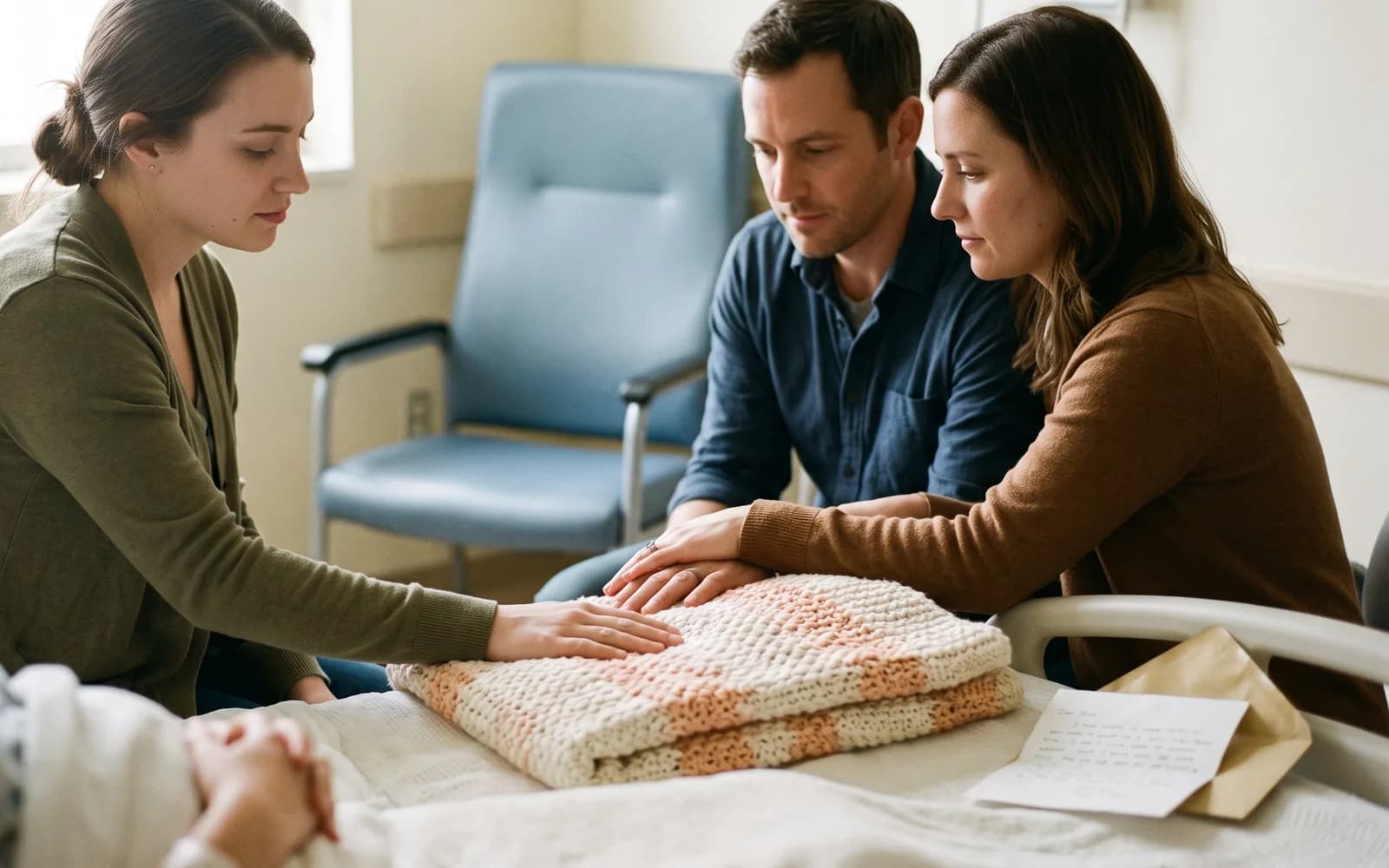
An entrustment ceremony is a brief, personal moment, often at the hospital, where a birth mother places her baby with the adoptive family in a way she has chosen. It's optional, it's hers to design, and many birth mothers say it gave the hardest moment some shape and meaning.