
Educational Legal Resource · Updated for H.B. 51 (2026)
Adoption Laws in Utah: Consent, Revocation, Birth Fathers, and H.B. 51
What Utah law says, in plain English, for birth parents and adoptive families
Utah adoption law changed in 2026. This page summarizes the Utah Adoption Act as it stands today: when consent can be signed, how long a birth mother has to change her mind, what an unmarried father must do to keep his rights, who may adopt, and what financial help is legal. It is a summary for education, not legal advice.
Written and Reviewed By

Licensed Clinical Social Worker · Executive Director of a Utah-licensed agency since 1993
This page summarizes public Utah statutes for education and is not legal advice. Birth parents who work with us receive their own independent attorney at no cost before signing anything.
Last updated: October 10, 2026
The short version: Utah adoption laws are written in Title 81, Chapter 13 of the Utah Code. A birth mother cannot sign consent until at least 24 hours after birth, and since May 2026 she generally has 72 hours after signing to revoke it. An unmarried birth father must file a paternity action and register with Vital Records before she signs or he loses the right to object. Married couples and single adults can adopt after a home study, pregnancy-related expenses may be paid to providers within a statutory limit, and most adoptions are finalized in district court about six months after placement.
Key Takeaways
When can a birth mother sign consent in Utah? No earlier than 24 hours after the baby is born, never before birth, and only after her own attorney has explained the documents.
Can she change her mind after signing? Yes, for a limited time. Since H.B. 51 took effect in May 2026, Utah generally allows 72 hours after signing to revoke, unless that window is waived in writing. Before 2026, Utah consent was irrevocable on signing.
Does the birth father have to agree? A married father must consent or have his rights addressed by the court. An unmarried father keeps his right to object only if he files a paternity action and registers with Utah Vital Records before the mother signs consent.
Who can adopt in Utah? Married couples and single adults who complete a pre-placement home study. Utah law does not allow adoption by an unmarried adult who is cohabiting in a relationship that is not a legal marriage.
Can a birth mother receive financial help? Yes, for pregnancy-related living, medical, legal, and counseling expenses as allowed by Utah law, paid to providers rather than in cash, within a statutory limit. It is help through a pregnancy, never a payment for a placement.
Where Utah Adoption Law Lives
Utah's adoption statute is the Utah Adoption Act, codified at Utah Code Title 81, Chapter 13. Part 1 holds definitions and general provisions, and Part 2 governs the adoption of a minor child, including consent, notice to fathers, evaluations, and finalization. The Legislature renumbered the Act from Title 78B, Chapter 6 effective September 1, 2025, so older articles, court forms, and even some agency websites still cite section numbers that begin with 78B-6. The rules did not move because they changed; they moved so Utah's family law could sit together in one title.
Two other sources matter for anyone reading up on adoption laws in Utah. The Utah State Courts self-help center publishes the forms and procedure for filing an adoption petition, and the federal Child Welfare Information Gateway maintains state-by-state summaries that are useful when a birth mother lives outside Utah and two states' laws apply.
When a Birth Mother Can Sign Consent in Utah
In Utah, a birth mother may not sign a consent to adoption or a relinquishment of parental rights until at least 24 hours after the child is born. Nothing she signs during pregnancy commits her to an adoption. An adoption plan, a chosen family, and a hospital plan are all expressions of intent that she can change at any time before consent.
Consent must be voluntary and informed. In practice that means the documents are reviewed with her by her own independent attorney, not the adoptive family's attorney, and signed in front of an authorized witness. When a birth mother works with a licensed agency, that attorney is provided at no cost to her as part of the legal services Utah law allows. Our legal rights page for birth mothers walks through what that conversation covers.

Consent is also required from the child's legal father, from a child who is 12 or older, and from the agency or guardian holding custody when one exists. The birth father rules are detailed enough that they get their own section below.
The 72-Hour Revocation Window
For decades Utah was one of the only states with no revocation period: a consent or relinquishment became irrevocable the moment it was signed, and could be undone only by proving fraud or duress in court. That changed with H.B. 51, effective May 6, 2026.
Today a Utah birth parent generally has 72 hours after signing to revoke consent, unless she waives that window in writing after it has been explained to her. During those 72 hours she can change her mind for any reason and the child is returned to her. Once the window closes, or once a written waiver is signed, the consent is final and the adoption proceeds to placement supervision and court finalization.

Two practical notes. First, the revocation window runs from the signing, not from the birth, so a mother who signs on day three still has three more days. Second, a waiver is her choice. An agency cannot require one, and a counselor's job is to make sure she understands exactly what she is giving up before she signs it.
Birth Father Rights in Utah
Utah treats married and unmarried fathers differently, and the unmarried-father rules are among the strictest in the country.
If the birth mother is married
Her husband is presumed to be the child's legal father, even if he is not the biological father. He must consent to the adoption or have his rights addressed by the court before the adoption can be finalized. He is entitled to notice of the proceeding.
If the birth father is unmarried
An unmarried biological father has the right to consent, and therefore to object, only if he acts before the birth mother signs her consent. Under Utah Code 81-13-207 and 81-13-213 he must do all of the following:
- File a paternity action in a Utah court under the Uniform Parentage Act (this can be done before or after the birth);
- File a notice of that action with the Utah Office of Vital Records and Statistics, Utah's putative father registry;
- File a sworn affidavit stating he is able and willing to take custody and committing to pay a reasonable share of pregnancy, birth, and child-support expenses.
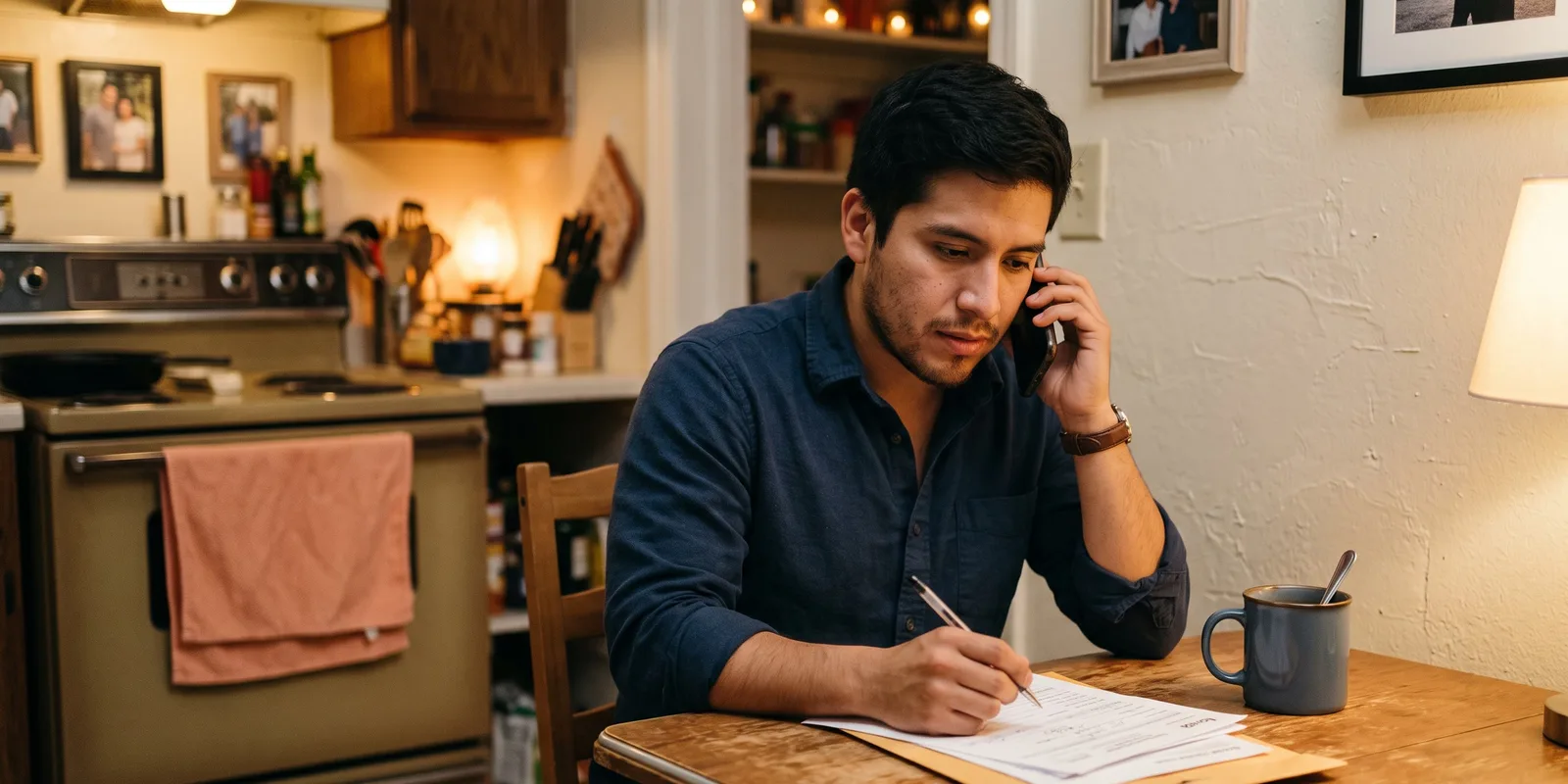
The statute gives him at least one business day after the birth to complete these steps. A father who does not is considered to have been on notice that a pregnancy and an adoption could occur and loses the right to block the adoption. A father whose child was conceived through a sexual offense is not entitled to notice at all.
Three common situations
- ●He supports the adoption. He can sign his own consent, often at the same time as the birth mother. The agency arranges his legal counsel.
- ●He is unknown or cannot be found. The agency checks the putative father registry. If no filing exists, the adoption can proceed without his consent.
- ●He objects but has not filed. Objecting is not enough. Only a father who completed the filing requirements before consent was signed can contest the adoption in court.
Because the timing is so unforgiving, agencies verify the registry before any consent is signed, and the birth mother's attorney explains what the father has or has not done.
Who Can Adopt in Utah
Utah adoption laws allow a married couple to adopt jointly, and a single adult to adopt alone. The Act does not permit adoption by an unmarried adult who is cohabiting in a sexual relationship that is not a marriage recognized under Utah law. Adoptive parents must be adults, and a legal parent cannot adopt their own child except in a stepparent adoption.
The pre-placement home study

Before a child may be placed, Utah requires a pre-placement adoptive evaluation, the home study, completed by a licensed child-placing agency or another evaluator authorized by the Utah Office of Licensing. It includes criminal background checks and child-abuse registry checks for every adult in the home, a home safety visit, interviews, financial and medical information, and references. Our Utah home study page explains the process, and our requirements page covers age, income, and marriage questions families ask most.
Adopting from another state
Families living outside Utah can adopt a child born in Utah, and Utah families can adopt a child born elsewhere. Both routes run through the Interstate Compact on the Placement of Children, covered below.
What Birth Mothers May Legally Receive in Utah
Utah law allows a licensed agency or adoptive family to pay reasonable pregnancy-related expenseson a birth mother's behalf: medical care, counseling, her own legal counsel, and living expenses such as rent, utilities, food, maternity clothing, and transportation during the pregnancy and a recovery period after birth. Payments go to the provider wherever possible rather than to her in cash.
Since 2026, living-expense support is subject to a statutory limit, with a process for an agency to request an exception through Utah's new consortium of licensed adoption agencies when a birth mother's situation requires it. What is never allowed, in Utah or any state, is a payment in exchange for a placement. Help with expenses is support through a pregnancy; it is not a fee for a child, and a birth mother who decides to parent does not repay it.
Our living expenses page describes how this works in practice. Specifics are always decided case by case with a counselor.
H.B. 51 (2026): What Changed in Utah Adoption Law
House Bill 51, “Adoption Amendments,” sponsored by Rep. Katy Hall, passed both chambers in February 2026, was signed by Governor Cox on March 25, 2026, and took effect on May 6, 2026. It is the most significant change to Utah adoption law in a generation. The main provisions:
- ●72-hour revocation period. A birth parent may revoke consent within 72 hours of signing unless the period is waived in writing.
- ●Limit on living-expense support. A statutory cap on pregnancy-related living expenses, with an exception process reviewed by a consortium of Utah-licensed agencies.
- ●No travel to Utah after 36 weeks. Agencies may not transport an out-of-state birth mother to Utah after the 36th week of pregnancy.
- ●Guaranteed return transportation. A birth mother who travels to Utah is guaranteed a trip home of the same mode and quality, whatever she decides.
- ●Minors must be accompanied. A pregnant minor traveling to Utah needs a parent or guardian to arrange travel and accompany her.
- ●Coercion prohibited. Agencies may not threaten a birth mother with financial or legal consequences for choosing to parent.
- ●Advertising rules. No financial-incentive language in advertising, and the states where an agency is licensed must be disclosed.
- ●Non-profit requirement. From January 1, 2027, the Office of Licensing will license or renew only non-profit adoption agencies.
- ●Stronger intake review and support access. Expanded screening for out-of-state birth mothers and clearer access to counseling and legal representation.
A Act of Love Adoptions has operated as a Utah non-profit since 1993, so the licensing change does not affect our status. The revocation window and travel rules apply to every Utah placement, including ours. See our compliance page for how we apply each provision.
Out-of-State Birth Mothers and ICPC
When a child born in one state is placed with a family in another, the Interstate Compact on the Placement of Children (ICPC)applies. Both states' compact offices review the home study and placement paperwork, and the child may not leave the birth state until the receiving state approves. In practice ICPC adds one to two weeks at placement.
Which consent law applies depends on where the birth mother gives birth, not where the agency is licensed. A birth mother in Texas who works with a Utah agency signs under Texas rules; a birth mother who chooses to deliver in Utah signs under Utah rules, including the 24-hour wait and the 72-hour revocation window. Since H.B. 51, agencies may not bring a birth mother to Utah after 36 weeks of pregnancy. Our state-by-state guides summarize consent timing and revocation for each state we serve.
Post-Placement Supervision and Finalization
After placement, the agency completes a post-placement evaluation: home visits over the following months to confirm the child is settled and the family is supported. The adoptive family then files an adoption petition in the Utah district court for the county where they live or where the agency is located.

In most Utah infant adoptions the final hearing takes place about six months after placement, once supervision is complete and, for interstate placements, ICPC has closed. The judge reviews the consents, the father's status, and the evaluations, then signs a decree of adoption. Utah issues a new birth certificate naming the adoptive parents, and the court file is sealed. Our Utah adoption process page lays out the full timeline for families.
Open Adoption Agreements Under Utah Law
Most Utah adoptions today are open or semi-open, with ongoing letters, photos, or visits between the birth family and the adoptive family. Utah law recognizes postadoption contact agreements(Utah Code 81-13-216): a written agreement, signed before finalization, that describes the contact the parties intend to keep. A court may approve the agreement if it finds the contact is in the child's best interest.
Two honest cautions. Whether a particular agreement can be enforced later depends on the case and on the court's approval, so most Utah open adoptions run on trust and agency mediation rather than a court order. And a broken contact agreement is never grounds to undo an adoption or to award damages. Openness is a relationship, not a custody arrangement, and the adoptive parents are the child's legal parents in every respect.

Questions About How Utah Law Applies to You?
A counselor can walk you through consent, timing, and your rights for your specific situation. Birth parents receive their own attorney at no cost.
Utah Adoption Law FAQ
What law governs adoption in Utah?+
The Utah Adoption Act, found in Utah Code Title 81, Chapter 13. Until September 1, 2025 the same provisions lived in Title 78B, Chapter 6, so older articles and court forms still cite 78B-6 section numbers.
When can a birth mother sign consent in Utah?+
No earlier than 24 hours after the child is born. Consent cannot be signed during pregnancy, and the birth mother is entitled to her own independent attorney, provided at no cost to her when she works with a licensed agency.
Can a Utah birth mother change her mind after signing consent?+
Generally yes, within 72 hours of signing, unless she waived that revocation period in writing. This window was added by H.B. 51 in 2026. Before that, Utah consent became irrevocable the moment it was signed. After the window closes, consent can only be set aside for fraud or duress.
What rights does an unmarried birth father have in Utah?+
He can preserve the right to object to an adoption, but only by acting before the birth mother signs consent: filing a paternity action in a Utah court, filing notice with the Office of Vital Records, and committing to support the child. Utah Code 81-13-213 gives him at least one business day after the birth to complete those steps. A father who does not act loses the right to block the adoption.
Can a single person adopt in Utah?+
Yes. A single adult who completes a pre-placement home study can adopt in Utah. The law excludes an unmarried adult who is cohabiting in a sexual relationship that is not a legally recognized marriage.
Is a home study required in Utah?+
Yes. Utah requires a pre-placement adoptive evaluation, commonly called a home study, completed by a licensed child-placing agency or other licensed evaluator before a child is placed, plus post-placement supervision before the adoption is finalized.
How long until an adoption is finalized in Utah?+
Most Utah infant adoptions are finalized in district court within about six months of placement, after the post-placement evaluation period and, for interstate placements, ICPC clearance.
What changed under H.B. 51 (2026)?+
H.B. 51, signed March 25, 2026 and effective May 6, 2026, added a 72-hour revocation window, set a statutory limit on living-expense support with an exception process through a new consortium of Utah agencies, barred transporting birth mothers to Utah after 36 weeks of pregnancy, guaranteed return transportation, prohibited coercive practices and financial-incentive advertising, and requires all Utah-licensed adoption agencies to be non-profit by January 1, 2027.
Are open adoption agreements enforceable in Utah?+
Utah recognizes postadoption contact agreements that a court approves before finalization after finding the agreement is in the child's best interest. Whether a specific agreement can be enforced depends on the case, and breaking one is never grounds to undo an adoption. Most Utah open adoptions run on trust and agency mediation rather than court orders.
Does an out-of-state birth mother have to come to Utah?+
No. Many birth mothers work with a Utah agency from their home state, and the adoption follows their state's consent law plus the Interstate Compact on the Placement of Children. If a birth mother does choose to travel, Utah law now bars agencies from transporting her after 36 weeks of pregnancy and guarantees her return trip home whatever she decides.
Sources: Utah Code Title 81, Chapter 13 (Utah Adoption Act); H.B. 51, 2026 General Session; Utah State Courts adoption self-help pages. This page is an educational summary prepared by A Act of Love Adoptions and is not a substitute for advice from a licensed Utah attorney.
Free, Confidential, 24/7
Request a Free Consultation
Choose what brings you here today and our team will reach out within 24 hours.