
Pregnant and Homeless? Where to Get Help Tonight, This Month, and After the Baby Comes
By Laraine · Social Worker & Options Counselor
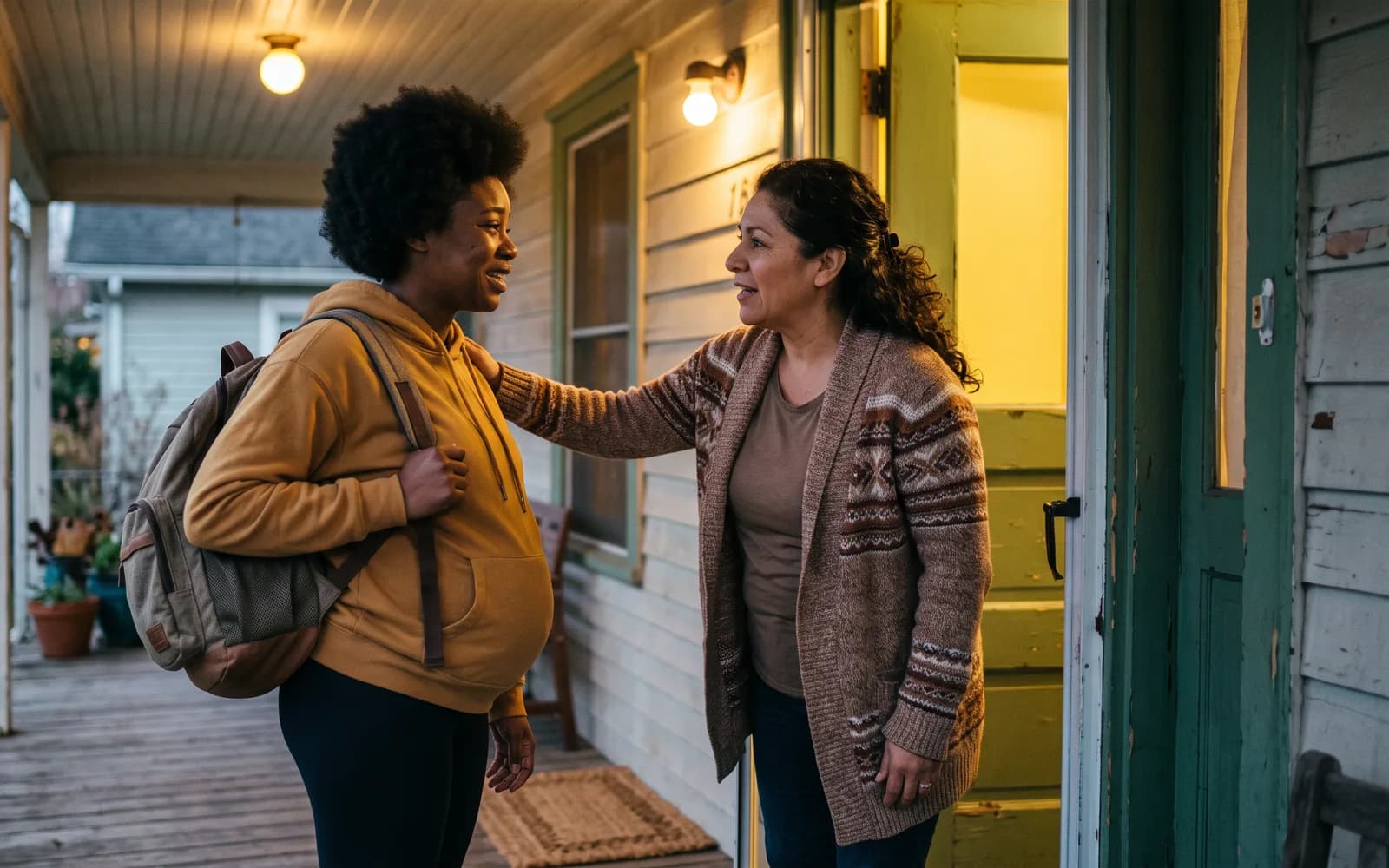
Being pregnant and homeless is two emergencies at once, and most of the advice online treats it as one or the other. This guide is written for the woman reading it on her phone with a dying battery: what to do in the next few hours, where you can actually sleep this month, how to get medical care and food, what an adoption agency can and cannot do about housing, and what happens at the hospital. None of it requires you to have decided anything about the pregnancy.
Call or text <strong>211</strong> from any phone and say you are pregnant and have nowhere to stay. It is free, confidential, and works in every state. If you are in danger from a partner or family member, call the National Domestic Violence Hotline at <strong>1-800-799-7233</strong> or text START to 88788; they place pregnant women in shelters every day. If you are in labor or bleeding, go to any emergency room. No hospital can turn you away.
The First 24 Hours: Three Calls
You do not need a plan yet. You need a bed, a meal, and one person whose job is to help you, and three calls usually get all three.
- 211. The operator will look up emergency shelter, maternity homes, and food near you and can often call ahead. Tell them you are pregnant; many areas prioritize pregnant women for shelter beds. In Utah the service is run by 211 Utah.
- Someone safe you already know. A relative, a friend's mother, a former teacher, a pastor. Ask for a week, not forever. A week is enough time for the other calls to work.
- A licensed adoption agency, if adoption is even a maybe. Not because you have decided, but because an options counselor can connect you to housing, medical, and food resources the same day whether or not you ever place. Ours is free and reachable 24/7, and we say so because women are often surprised that the call does not cost them anything or commit them to anything.
Where You Can Sleep Tonight and This Month
Every community has some version of the options below. Which one fits depends on how far along you are, whether you have other children with you, and whether you are safe.
- ●Emergency shelter. The fastest option and the least private. Most areas now run intake through a single system (often called coordinated entry) that 211 can connect you to. Pregnancy usually moves you up the list. Ask whether the shelter has a family or women-only section.
- ●A maternity home. A house, usually run by a nonprofit, where pregnant women live for free or nearly free through pregnancy and often for months after birth, with meals, rides to appointments, and staff on site. More on these below.
- ●A domestic violence shelter. If the reason you have no home is a person, this is the right door. Locations are confidential, stays are longer than general shelters, and advocates help with protective orders and housing afterward.
- ●Transitional housing. Programs that provide an apartment or a room for six months to two years while you work on income and permanent housing. Waitlists are common, so apply early even if you have a bed tonight.
- ●Pregnancy-related housing help through an adoption plan. If you are considering adoption, a licensed agency may be able to help with rent or a safe place to stay as allowed by your state's law. Details and limits are below, because this is the option most often misunderstood.
- ●Your car, safely. If you have one and nothing else is available tonight, some cities run safe parking programs with restrooms and security; 211 knows which. Park in lit, patrolled areas, keep the tank above a quarter, and treat it as one night, not a plan.

Maternity Homes: What They Are and How to Find One
A maternity home is a residence for pregnant women who need a safe place to live. Most are run by nonprofits, many by faith communities, and nearly all are free or ask only a small share of any income. You get a bedroom, meals, rides to prenatal appointments, help applying for benefits, and other women going through the same thing. Many let you stay for several months after the birth whether you are parenting or have placed.

What to know before you call:
- ●Eligibility varies. Some homes take women of any age; others serve only teens or only adults. Some accept a child you already have; many cannot. Some require that you be a certain number of weeks along.
- ●Rules are real. Curfews, chores, no visitors overnight, sobriety, and usually a requirement to attend prenatal care and work on a plan. For many women that structure is a relief. For some it is not. Ask before you move in.
- ●Faith is common, pressure should not be. Many homes are religious. A good one welcomes you regardless of what you believe and does not condition housing on any decision about the pregnancy. If you feel pushed, say so, and call 211 for another option.
- ●Waitlists exist. Call several. Ask to be put on more than one list, and ask each one what they can do in the meantime.
To find one, call 211 and ask specifically for maternity homes, search your state's 211 website for "maternity home" or "maternity housing," or ask the social worker at any prenatal clinic. An adoption counselor will also know every home in the region and which ones have beds this week.
| Option | How fast | How long | Cost | Best for |
|---|---|---|---|---|
| Emergency shelter | Same day | Nights to weeks | Free | Tonight, while other options open up |
| Maternity home | Days to weeks | Pregnancy plus months after | Free or small share of income | Stability, meals, rides, other women |
| Domestic violence shelter | Same day | Weeks to months | Free | When a person is the reason you left |
| Transitional housing | Weeks to months | 6 to 24 months | Low or income-based | Building toward your own place |
| Agency housing support (adoption plan) | Days | Pregnancy and early postpartum, as state law allows | Free, paid to the landlord | Women considering adoption who need rent or a safe room |
Medical Care, Food, and Money While You Have No Address
You can get prenatal care without a home, an ID, or insurance, and the sooner you start, the safer you and the baby are. Three programs do most of the work:
- ●Medicaid. Every state covers pregnancy under Medicaid, usually with a higher income limit than regular Medicaid, and most states will cover you temporarily while your application is processed. Any community clinic or hospital can start it. In Utah, Utah Medicaid and Take Care Utah help with enrollment at no cost.
- ●WIC. Food, formula later, and nutrition support for pregnant women and young children. You do not need a fixed address to enroll; a shelter or a friend's address works. In Utah, start at wic.utah.gov.
- ●SNAP and emergency food. Food stamps can be expedited within days for someone with no income, and food pantries do not ask for anything. Our community help page lists Utah pantries, diaper banks, and benefit offices.
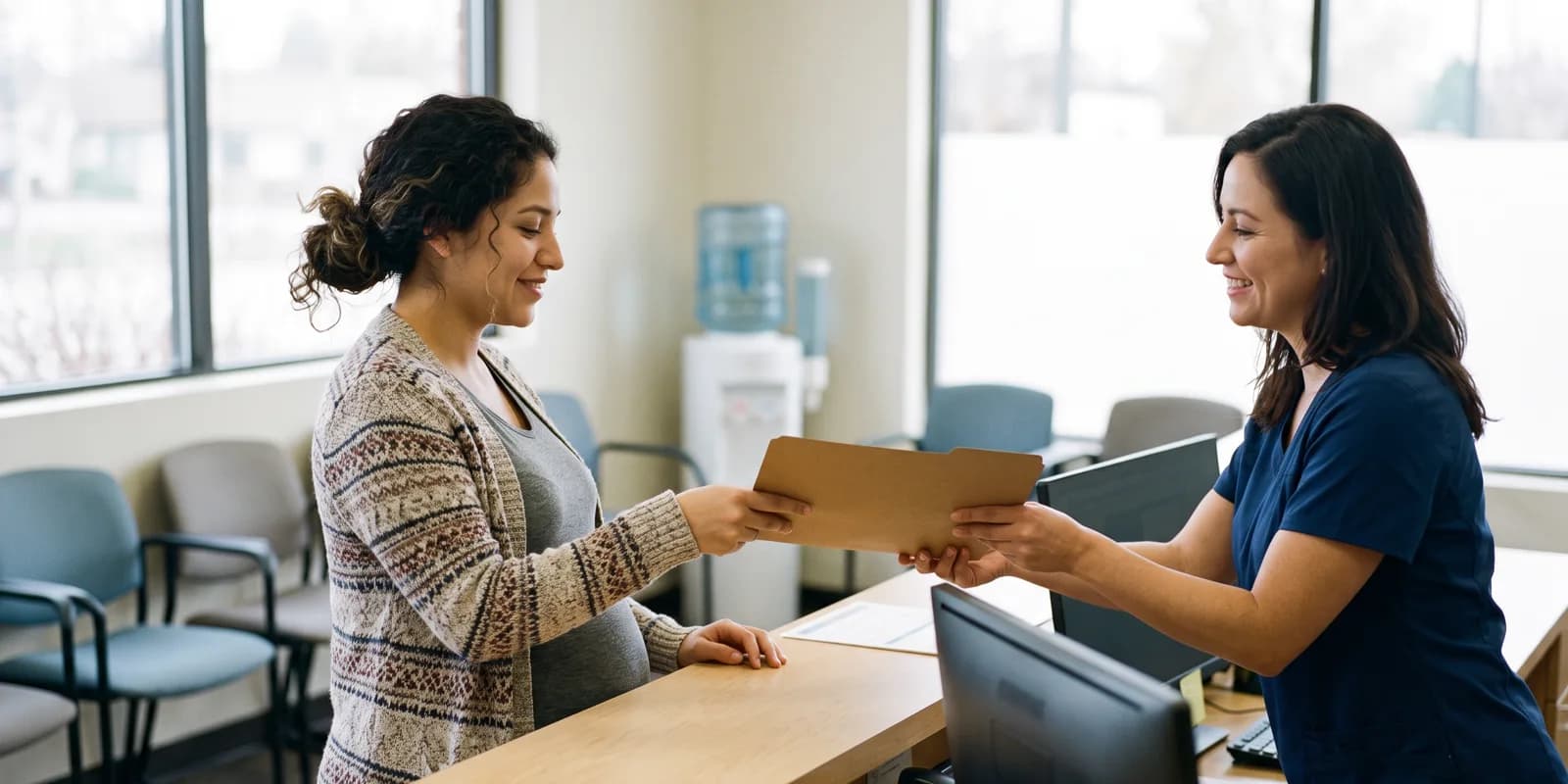
Keep every document in one envelope: photo ID if you have it, a proof-of-pregnancy letter from any clinic, and your Medicaid number. Most programs will work around a missing ID, but the pregnancy letter opens almost every door, so get it first.
If You Are Under 18
Shelters for adults often cannot take a minor, but the systems for teens are stronger than people expect. Call 211 and say your age. Youth shelters, host-home programs, and the state's child welfare agency can place a pregnant minor quickly, often without involving the people you left, and a school counselor or nurse can start that process confidentially. If you are afraid the state will take the baby, ask the counselor directly; being young and homeless is not by itself a reason for that, and a plan for housing and prenatal care is the best protection.
What an Adoption Agency Can (and Cannot) Do About Housing
Searches like "adoption agencies that help with housing" bring a lot of women to our site, and the honest answer has two halves.
What a licensed agency can do. If you are considering adoption, state law allows an agency or the adoptive family to help with reasonable pregnancy-related living expenses, which can include rent, utilities, or a safe place to stay during pregnancy and for a period after birth. In Utah the amount is limited by statute, payments go directly to the landlord or provider wherever possible, and the help is not a loan: if you decide to parent, you do not repay support you received in good faith. Our housing support page and living expenses page explain what that looks like in practice.
What an agency cannot and should not do. It cannot offer housing as a reward for choosing adoption, cannot condition it on signing anything, and in Utah cannot advertise money or housing as an incentive at all. If an agency leads with a dollar amount or an apartment before it asks how you are, that is a red flag, not a lifeline. And no agency can help with housing for a woman who has decided to parent beyond connecting her to the community programs above, which a good counselor will do anyway.
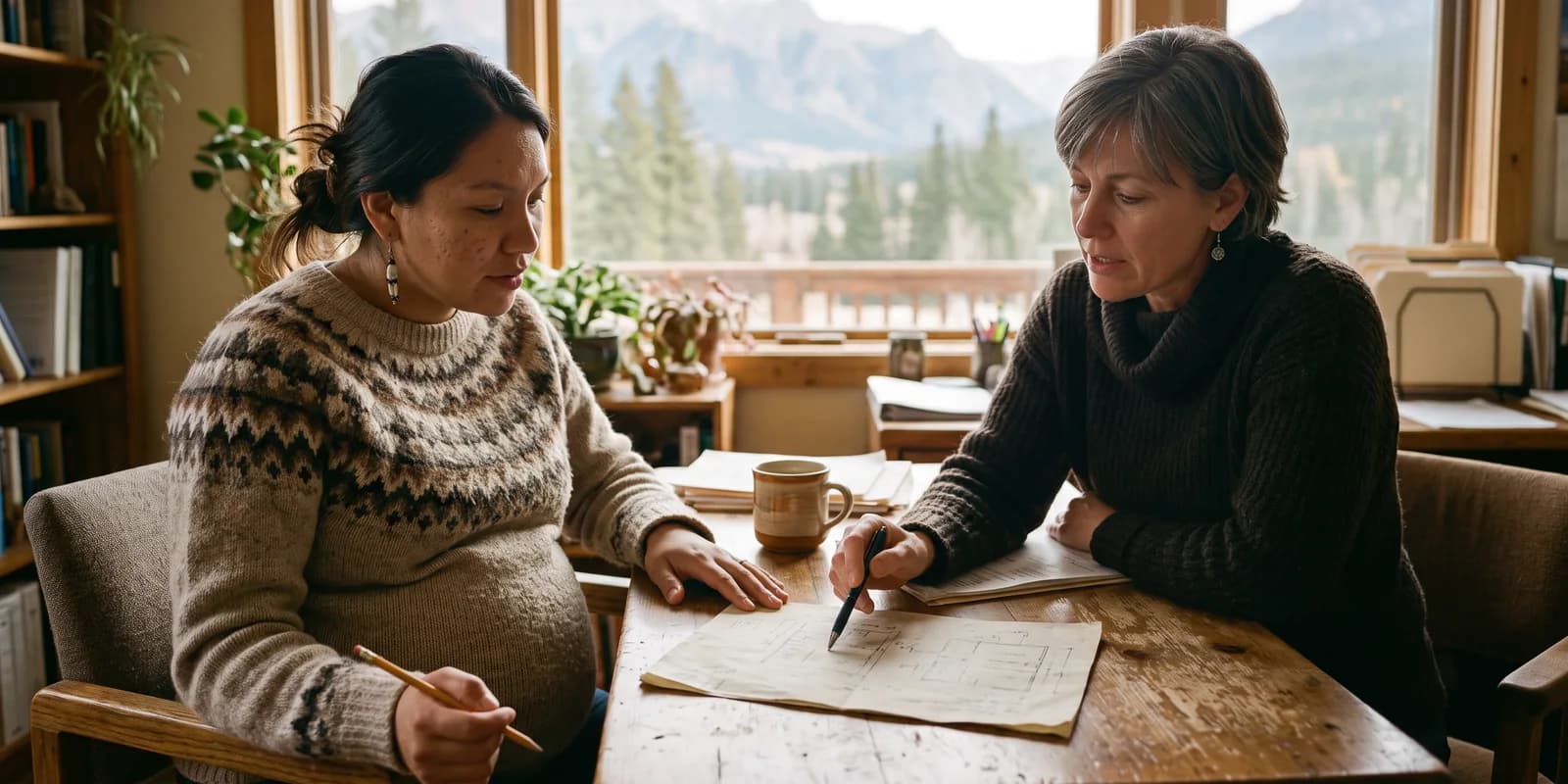
One more thing women ask us: "If I place my baby for adoption, will I still be homeless?" We will not pretend an adoption plan fixes housing. What it does is give you a counselor whose job for the next several months is to make sure you have a safe place to live, medical care, and a plan for after, and who stays after placement. Many women leave that period housed for the first time in a long time. That is a reason to call; it is not a reason to choose adoption, and we will never present it as one.
At the Hospital
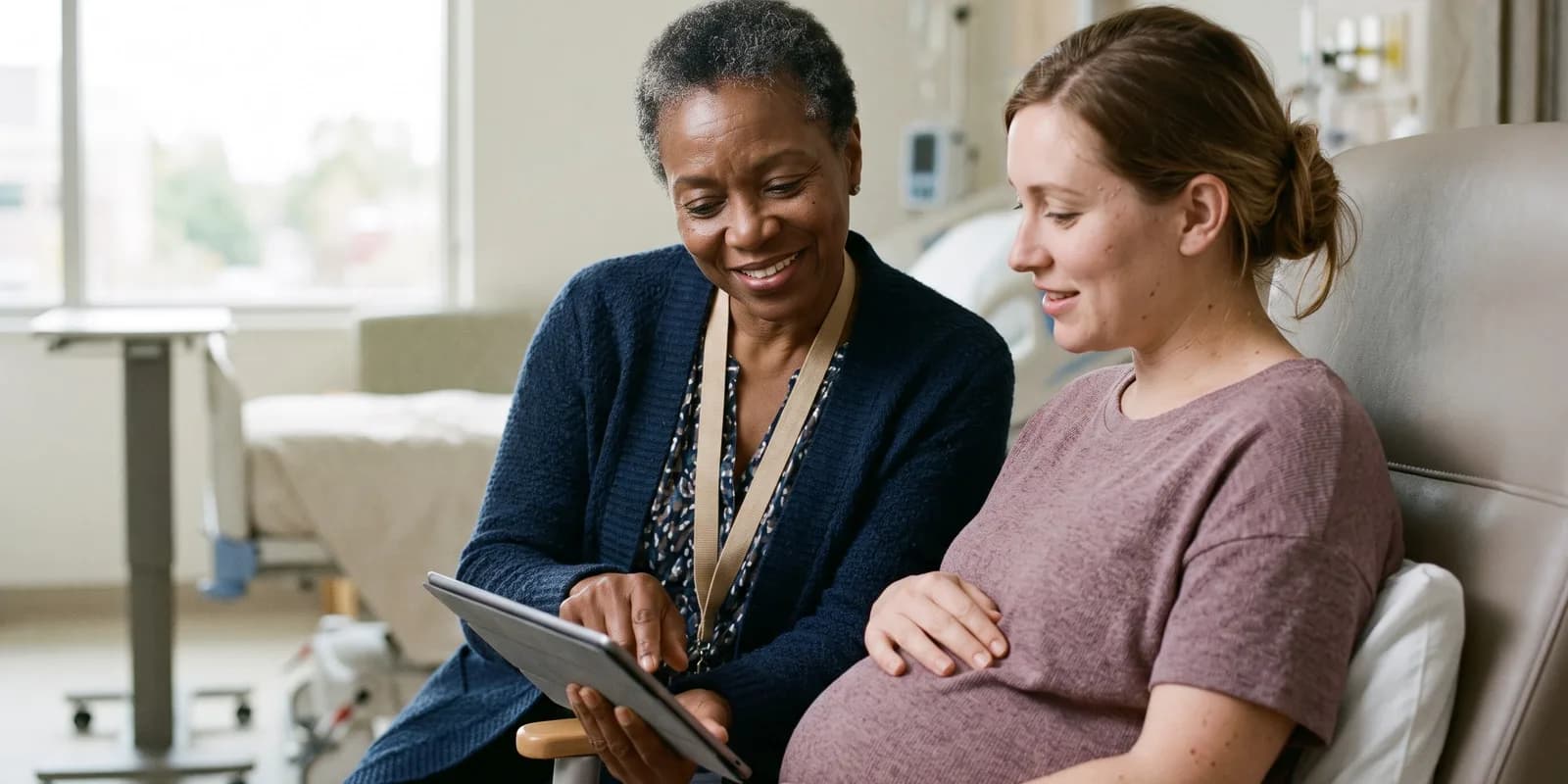
Hospitals have social workers whose job includes exactly your situation. Ask for one at your first prenatal visit and again when you are admitted for delivery. They can arrange a postpartum bed in a maternity home or shelter before you are discharged, start or fix Medicaid, and connect you to a home-visiting nurse program. If you have an adoption plan, your counselor will have already spoken with the hospital, and your hospital plan will say who is in the room and what happens after; our guide to adoption at the hospital walks through those days hour by hour.
After the Baby Comes
If you are parenting, the same calls shift from shelter to stability: transitional housing applications, TANF cash assistance, childcare subsidies, and a home-visiting nurse who comes to wherever you are. Keep the 211 relationship and the hospital social worker's number. If you placed, postpartum housing help may continue for a period as your state allows, counseling continues for as long as you want it, and your counselor's job becomes helping you land somewhere permanent. Either way, the goal of everyone on this page is the same: that the next time you look for a place to sleep, it has your name on the lease.
If you are pregnant and have nowhere safe to stay, call or text us any time. A counselor will help you find housing, medical care, and food today, whether or not adoption is part of your plan, and nothing about the call commits you to anything.
Frequently Asked Questions
What should I do if I am pregnant and homeless right now?
Call or text 211 and say you are pregnant with nowhere to stay; they will find emergency shelter or a maternity home near you and can often call ahead. If a partner or family member is the danger, call the National Domestic Violence Hotline at 1-800-799-7233. If you are in labor or bleeding, go to any emergency room. Then, when you have a bed, call a prenatal clinic to start Medicaid and WIC.
Are there shelters specifically for pregnant women?
Yes. Maternity homes house pregnant women for free or nearly free through pregnancy and often for months after birth, with meals, rides, and staff on site. Domestic violence shelters also take pregnant women and keep their locations confidential. Many general shelters prioritize pregnant women for beds. 211 can list all three for your area.
Do adoption agencies help with housing?
A licensed agency may help with pregnancy-related living expenses, including rent or a safe place to stay, as allowed by state law, for a woman who is considering adoption. In Utah the amount is capped by statute and paid directly to the landlord wherever possible. It cannot be offered as an incentive or conditioned on signing anything, and if you decide to parent you do not repay it. Any agency will also connect you to community housing resources whether or not you place.
Can I get Medicaid and WIC without an address?
Yes. Pregnancy Medicaid exists in every state and most states cover you while the application is pending. WIC does not require a fixed address; a shelter, a friend's address, or general delivery at a post office works. Any community clinic can start both.
Will the state take my baby because I am homeless?
Homelessness by itself is not a reason for a child to be removed. What child welfare agencies look at is whether the baby has a safe place to go after discharge. Having a plan, a maternity home bed, a relative's home, a shelter placement, or an adoption plan, is the strongest protection, and a hospital social worker can help you build one before delivery.
What if I am a pregnant teenager with nowhere to live?
Call 211 and say your age. Youth shelters, host-home programs, and the state's child welfare agency can place a pregnant minor quickly and confidentially, and a school counselor or nurse can start that process. Adult shelters often cannot take minors, so ask specifically for youth services.
If I place my baby for adoption, will I still be homeless afterward?
An adoption plan does not by itself fix housing, and no honest agency will say it does. What it provides is a counselor whose job during pregnancy and after is to make sure you have a safe place to live, medical care, and a plan for what comes next, with postpartum housing help possible for a period as your state allows. Many women leave that period housed. It is a reason to call, not a reason to choose adoption.

Questions About Your Situation?
Our counselors are available 24/7, free, confidential, and no obligation.
Related Articles

The Adoption Process for Birth Mothers: A Step-by-Step Guide
From the first conversation through placement and beyond, here's exactly how the adoption process works for birth mothers considering placement.

What Utah's 2026 Adoption Act (H.B. 51) Means for Birth Mothers
Effective May 6, 2026, Utah's House Bill 51 changes the rules around financial support, Medicaid verification, and advertising for adoption agencies in the state. Here's a plain-English summary.

What Is an Adoption Plan? What It Includes and How It Works
An adoption plan is not a contract. It's the set of decisions you make, with a counselor's help, about how your baby's adoption will go: who the family is, how much contact you want, what happens at the hospital, and what support you'll have afterward.