
Open Adoption vs Closed Adoption: Which Option Is Right for You?
By Isaac Thomas, LCSW · Chief Executive Officer

Thirty years ago, most adoptions in the United States were closed. Today, the picture has flipped, open and semi-open adoptions make up the majority of domestic infant placements. Here's a clear guide to each option and how to decide what's right for your situation. And if you're still weighing the larger decision itself, our guide to what giving a baby up for adoption really involves covers openness alongside every other choice you'll make.
The Three Types in One Sentence Each
- ●Open adoption: ongoing direct contact between birth family and adoptive family (letters, photos, calls, visits).
- ●Semi-open adoption: mediated contact through the agency, letters and photos with no direct contact.
- ●Closed adoption: no contact after placement; sealed records.
| Open | Semi-Open | Closed | |
|---|---|---|---|
| Contact after placement | Direct and ongoing | Mediated by the agency | None |
| Identifying information shared | First names, often more | First names only, typically | None |
| Photos and letters | Exchanged directly | Exchanged through the agency | No |
| Visits possible | Yes, if both agree | Sometimes, agency-arranged | No |
| Child's access to their story | Full, from the start | Substantial | Limited until adulthood |
| How common today | Most placements | Very common | Least common |
One important framing before the details: openness is a spectrum, not three rigid boxes. Real arrangements sit at many points along it, and our guide to the types of adoption covers the variations. What matters is finding the point on that spectrum where both families are comfortable — and where the child's need to know their story is honored.
Open Adoption
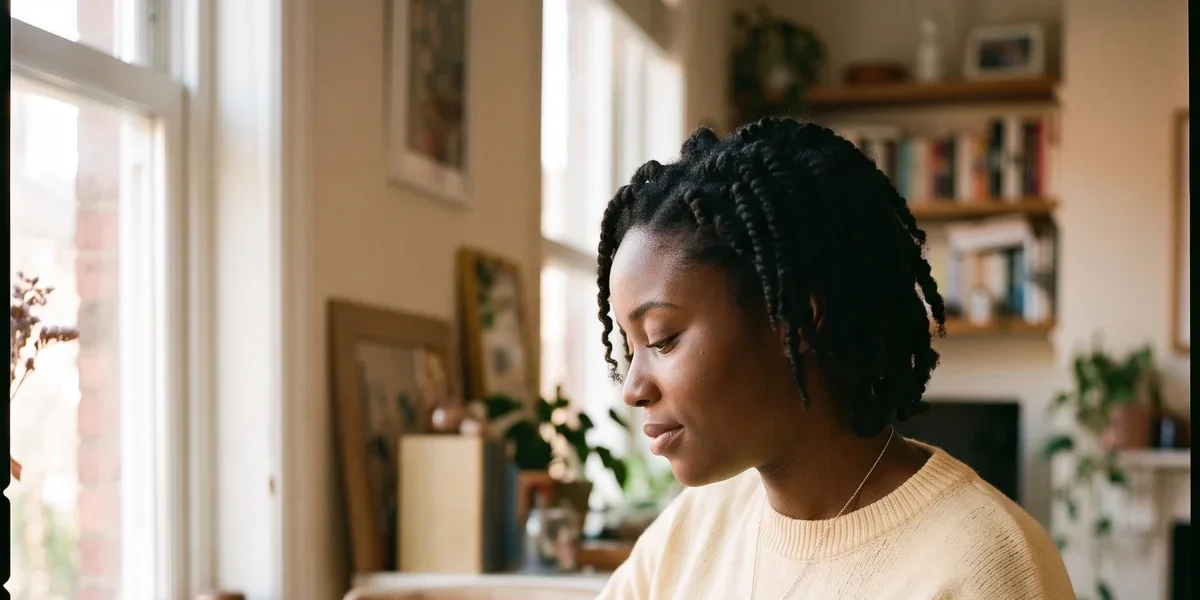
In an open adoption, the birth family and adoptive family know each other's first names and some contact information. They exchange photos, letters, calls, and sometimes in-person visits over time. The agreement is shaped at placement and can evolve.
Why families choose open
- ●Children grow up knowing their full story
- ●Birth mothers often report greater peace of mind
- ●Adoptive families have access to medical and family history
- ●Relationships can be honored and celebrated, not hidden
Closed Adoption
In a closed adoption, no contact occurs after placement. Some birth mothers choose this because it gives them clear boundaries at a hard time. Some adoptive families choose it because of concerns about boundary-setting. Closed adoptions are less common today, but remain an option.
Research in the last two decades has generally found that some level of ongoing contact supports identity and well-being for adoptees. Most modern agencies, ours included, encourage open or semi-open arrangements where both families are comfortable.
Semi-Open: The Middle Path
For families who want some ongoing connection but prefer not to exchange direct contact information, semi-open is the popular middle path. The agency mediates communication, typically through letters and photos.
Can We Change the Type Later?
Yes. Post-adoption contact agreements are legally enforceable in Utah and a growing number of states. Some families start semi-open and open later; some start open and step back over time. Our counselors help mediate these changes.
Openness Over a Lifetime
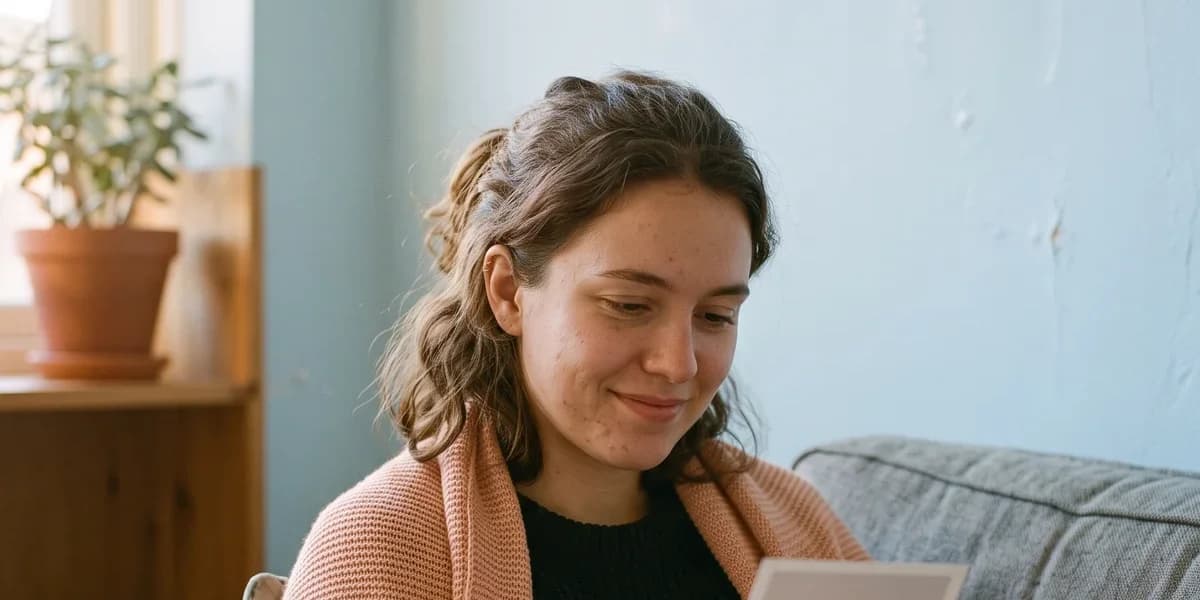
A detail that rarely makes it into introductory articles: the openness agreement you sign at placement is the starting point of a relationship, not its final shape. In the newborn years, contact is mostly between adults — photos, updates, the occasional visit. As the child grows, they become a participant: drawings mailed to a birth mother, questions at bedtime, eventually their own feelings about how much contact they want. Healthy open adoptions flex around the child. Birth mothers sometimes need more space in the early months and more connection later; adoptive parents often report that contact that once felt uncertain becomes one of the most natural parts of family life.
This is also why counseling matters on both sides. Our birth parent counselors help birth mothers think through what level of contact will serve them over years, not just at placement — and help adoptive families understand what they are committing to.
Questions to Ask Yourself
- ●For expectant mothers: In five years, what do I want to know about my child? What do I want them to know about me?
- ●For expectant mothers: Do I want the option of contact even if I'm not sure I'll use it? (Semi-open preserves the option; closed generally does not.)
- ●For adoptive families: How will we talk about our child's birth family in our home — and does our openness level match that language?
- ●For adoptive families: Are we choosing a level because it is comfortable for us, or because it is good for our child?
- ●For everyone: What does the research say — and are we honest about the difference between fear and evidence?
How to Decide
- Think about your comfort with ongoing contact
- Consider what feels healthy for the child growing up
- Talk openly with your counselor about preferences
- Remember: most families settle into a semi-open middle ground
If you're an expectant mother weighing these options, the openness decision is step two of your adoption plan — and you can browse waiting family profiles to get a feel for the families behind the choice. If you're a hopeful adoptive family, your openness preferences become part of your profile during the process. Neither of you decides this alone: counselors mediate the conversation until the plan feels right to both sides.
Frequently Asked Questions
What is the difference between open and closed adoption?
In an open adoption, the birth family and adoptive family stay in contact after placement — letters, photos, calls, and sometimes visits. In a closed adoption there is no contact and records are sealed. Semi-open sits between the two: contact continues, but it's mediated by the agency without exchanging direct contact information.
Are most adoptions today open or closed?
Most domestic infant adoptions today are open or semi-open. Closed adoptions, which were the norm decades ago, are now the least common arrangement — though they remain an option for birth mothers who want firm boundaries.
Is open adoption legally enforceable?
In Utah and a growing number of states, post-adoption contact agreements can be legally enforceable. Even where enforceable, the healthiest arrangements run on trust and communication, with the agency available to mediate changes.
Can an open adoption become closed, or a closed one open?
Yes, arrangements can evolve. Some families start semi-open and grow into direct contact; others step back over time. Changes work best when they're discussed through the agency so both families and the child are considered.
Does the birth mother choose the openness level?
The birth mother's preference leads — it's part of her adoption plan — and families indicate what levels they're open to. A match happens when those preferences align, so nobody is forced into an arrangement they didn't choose.
Is open adoption confusing for the child?
Research over the past two decades generally finds the opposite: children who grow up knowing their story and, where possible, their birth family tend to show stronger identity formation and well-being. Secrecy, not openness, is what tends to create confusion.

Questions About Your Situation?
Our counselors are available 24/7, free, confidential, and no obligation.
Related Articles
The Adoption Process for Birth Mothers: A Step-by-Step Guide
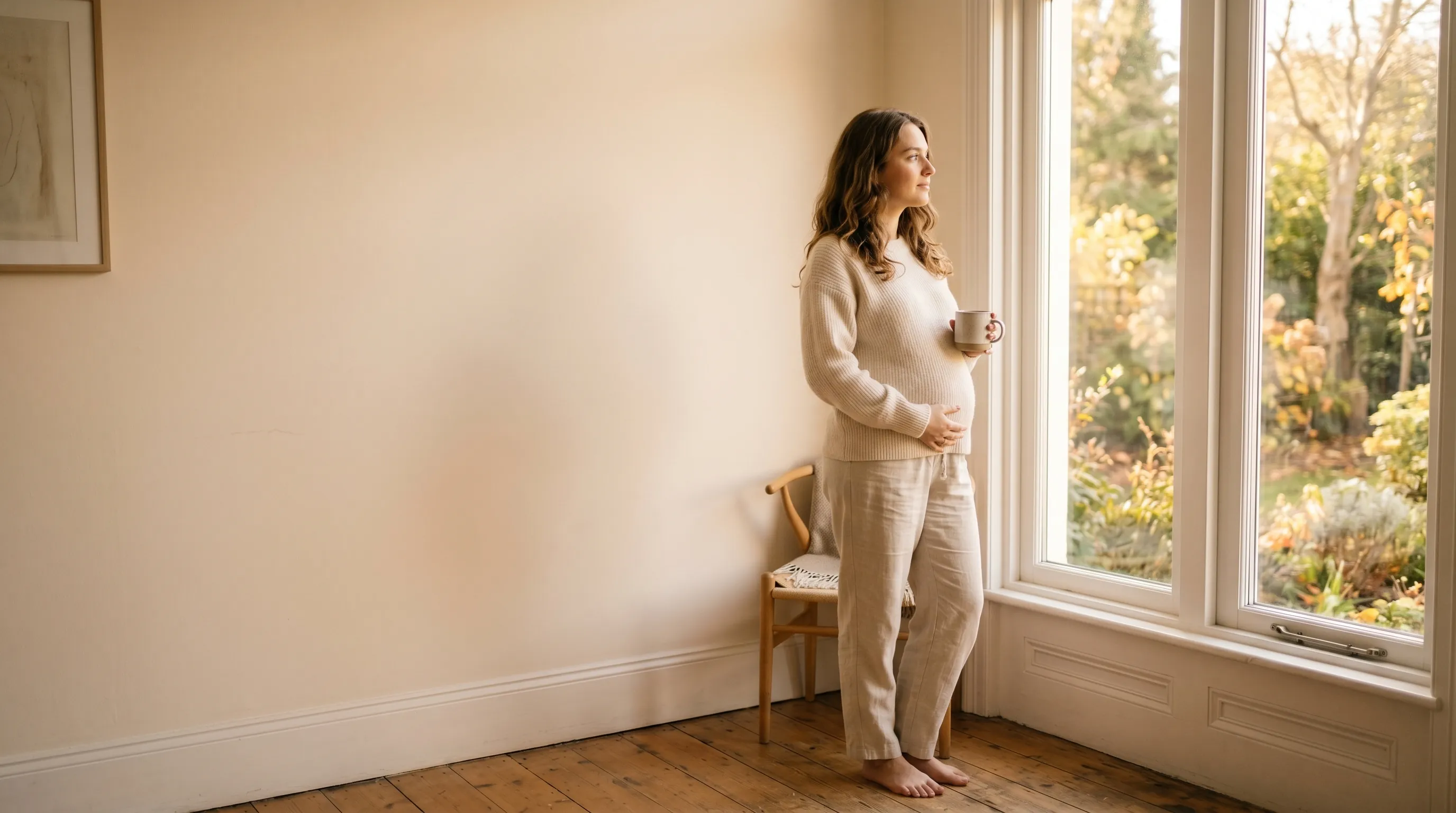
From the first conversation through placement and beyond, here's exactly how the adoption process works for birth mothers considering placement.
What Is an Adoption Entrustment Ceremony?
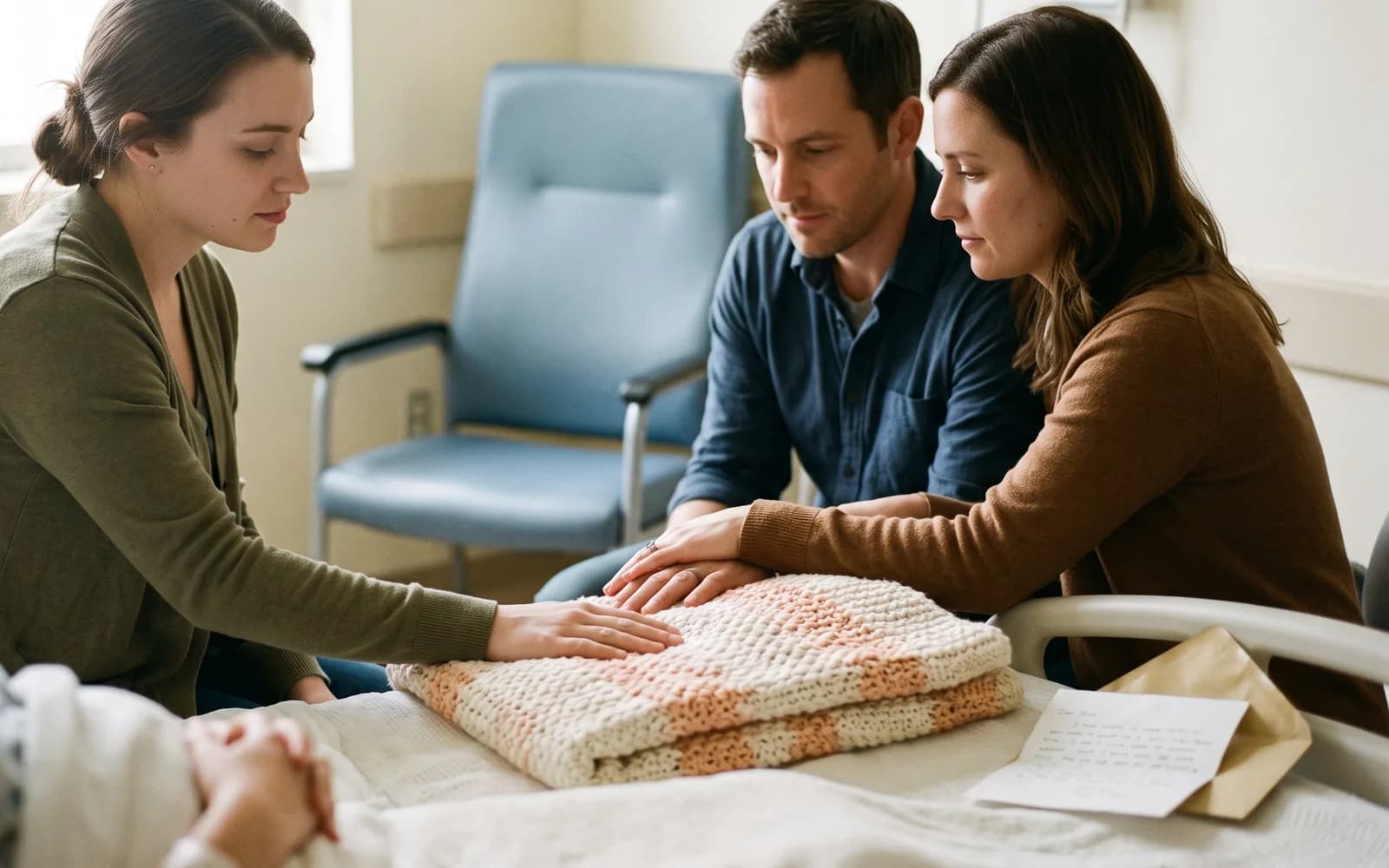
An entrustment ceremony is a brief, personal moment, often at the hospital, where a birth mother places her baby with the adoptive family in a way she has chosen. It's optional, it's hers to design, and many birth mothers say it gave the hardest moment some shape and meaning.
I'm Pregnant Again. Can I Choose the Same Adoptive Family?
If you placed a child for adoption and you're pregnant again, you can usually ask for the same family, and many families say yes. Here's how the conversation happens, what has to be current on their side, and what your options are if it doesn't work out.