
Openness in Adoption · For Birth Parents and Adoptive Families
Open Adoption: What It Means and How It Works
The relationship after placement, explained by people who sit in the middle of it
Thirty years ago nearly every adoption was closed. Today most domestic infant adoptions, including most of ours, are open or semi-open. This guide explains what that means in practice, what the long-term research found, where the law stands, and how a birth mother and an adoptive family set it up so that it lasts.
Written By
Case Working Supervisor · nearly 24 years mediating open adoptions
Clinically Reviewed By

Licensed Clinical Social Worker · Executive Director · adoptive father of four
Reviewed for clinical accuracy. Research citations link to the original studies; legal summaries are educational, not legal advice.
Last updated: October 14, 2026
What Open Adoption Means
Open adoption is an adoption in which the birth parents and the adoptive family know who each other are and stay in contact after the child is placed.The contact can be photos and letters a few times a year, or texts, video calls, and visits whenever everyone likes. The adoptive parents are the child's legal parents in every respect. What stays open is the relationship, and with it the child's access to their own story, their medical history, and the people they came from.
It is not co-parenting, it is not shared custody, and it does not give the birth parents any right to take the child back. It is also not a single arrangement: openness is a dial, and most families land somewhere in the middle and move along it over the years.
Key Takeaways
What does open adoption mean? An adoption in which the birth parents and the adoptive family know who each other are and stay in contact after placement, through photos, letters, calls, video, or visits. The adoptive parents are the child's legal parents; what stays open is the relationship.
Is open adoption the same as co-parenting? No. The adoptive parents make every parenting decision. Openness is about the child knowing their birth family and their own story, not about shared custody.
Who decides how open it is? The birth mother, when she builds her adoption plan, with the family agreeing before placement. Most of our adoptions are open or semi-open, and the level can grow over time.
Is it better for the child? The largest long-term study found that children in open adoptions were as well adjusted as any others, that families with contact were more satisfied, and that when people were unhappy it was usually because there was too little contact, not too much.
Is an open adoption agreement enforceable? In about 29 states and D.C. a written, court-approved contact agreement can be enforced, with limits. In Utah that applies to adoptions from foster care; in a private infant adoption the openness plan is a commitment honored by the family and the agency, and breaking it never undoes an adoption.
Open, Semi-Open, Closed: The Openness Spectrum
People say “open adoption” to mean anything from a Christmas card to a weekly visit. It helps to name the three points on the spectrum, and then to remember that real arrangements sit between them.
| Level | Contact | Identifying information | Notes |
|---|---|---|---|
| Open | Direct: texts, calls, video, visits, social media, by whatever rhythm the two families set | Yes, first and often last names, numbers, addresses | Most common in domestic infant adoption today |
| Semi-open | Through the agency: letters, photos, and updates passed along, sometimes a mediated call | Usually first names only | A common starting point that often opens further |
| Closed | None after placement | No; records sealed | Chosen for privacy or safety; can sometimes be opened later by mutual-consent registry |
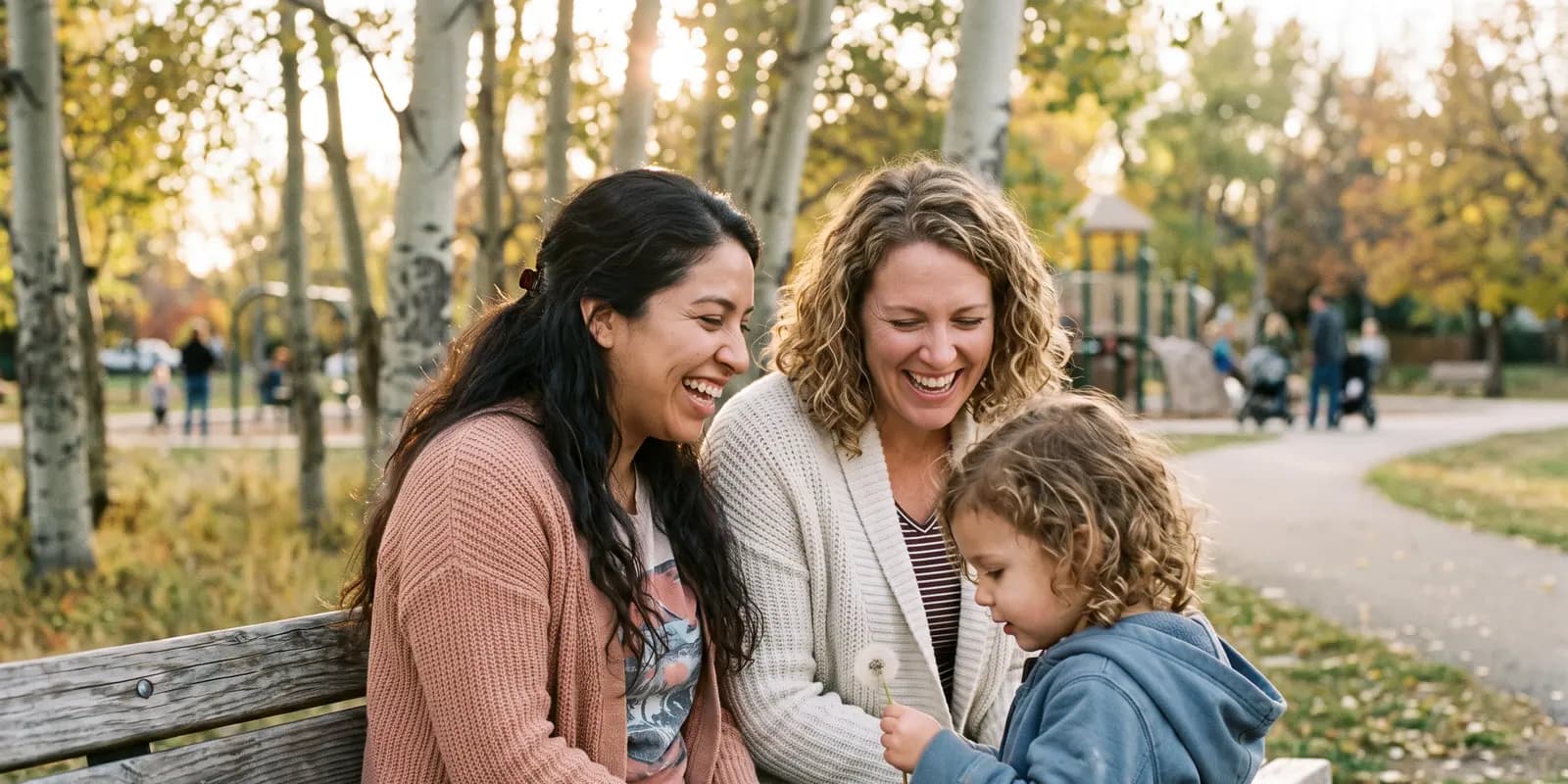
Our own placements are mostly open or semi-open. A birth mother chooses the level when she builds her plan, and families waiting with us say in their profiles what openness they are comfortable with, so a match already agrees on the basics. The semi-open and closed adoption pages go deeper on each of those choices.
How Open Adoption Works
Openness is decided before the baby is born and lived out afterward. The sequence in a domestic infant adoption through a licensed agency:
- 1The birth mother sets the level.As part of her adoption plan she says what contact she hopes for: photos and letters, calls, visits, or a mix, and how often.
- 2She chooses a family who wants the same thing.Profiles state each family's openness. She picks from families whose hopes match hers, then meets them, usually by call or video first.
- 3The plan is written down.Before placement the agency records the agreed contact: type, frequency, who initiates, social media rules. In some states this becomes a court-approved contact agreement.
- 4Contact starts at the hospital.The hospital plan covers who is present, who holds the baby, and the first photos. Many open adoptions begin with the two mothers in the same room.
- 5The relationship continues, with help.Directly in an open adoption, through the agency in a semi-open one. Counselors stay available to both families for years, especially when the plan needs adjusting.
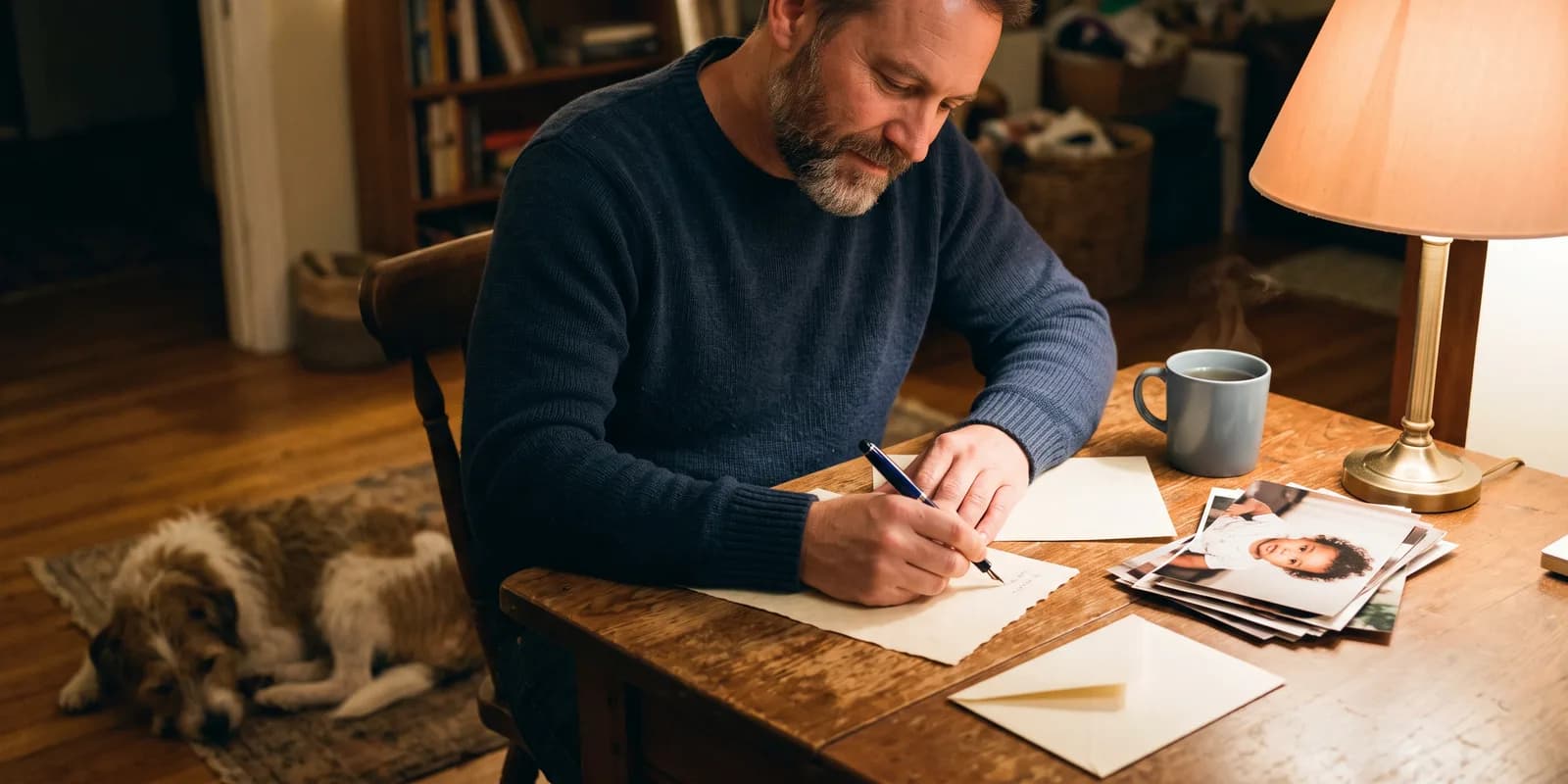
For a birth mother, this is step two and step three of the process described in our guide to giving a baby up for adoption. For a family, it begins with the openness you state in your profile and home study.
What Open Adoption Looks Like Over the Years
The plan signed at placement is the starting point of a relationship, not its final shape. This is roughly how it moves in the families we walk with.
Pregnancy and the hospital
The birth mother and the family she chose often talk every week. At the hospital, the plan she wrote says who is in the room, who holds the baby first, and whether there are photos together. Many families leave the hospital with the first pictures of the child held by both mothers.
The first year
Contact is mostly between the adults: photo and milestone updates monthly or more, a video call, a visit at a few months old. This is the year the birth mother grieves hardest and the adoptive parents are most nervous; agreed, predictable contact helps both.
Toddler to school age
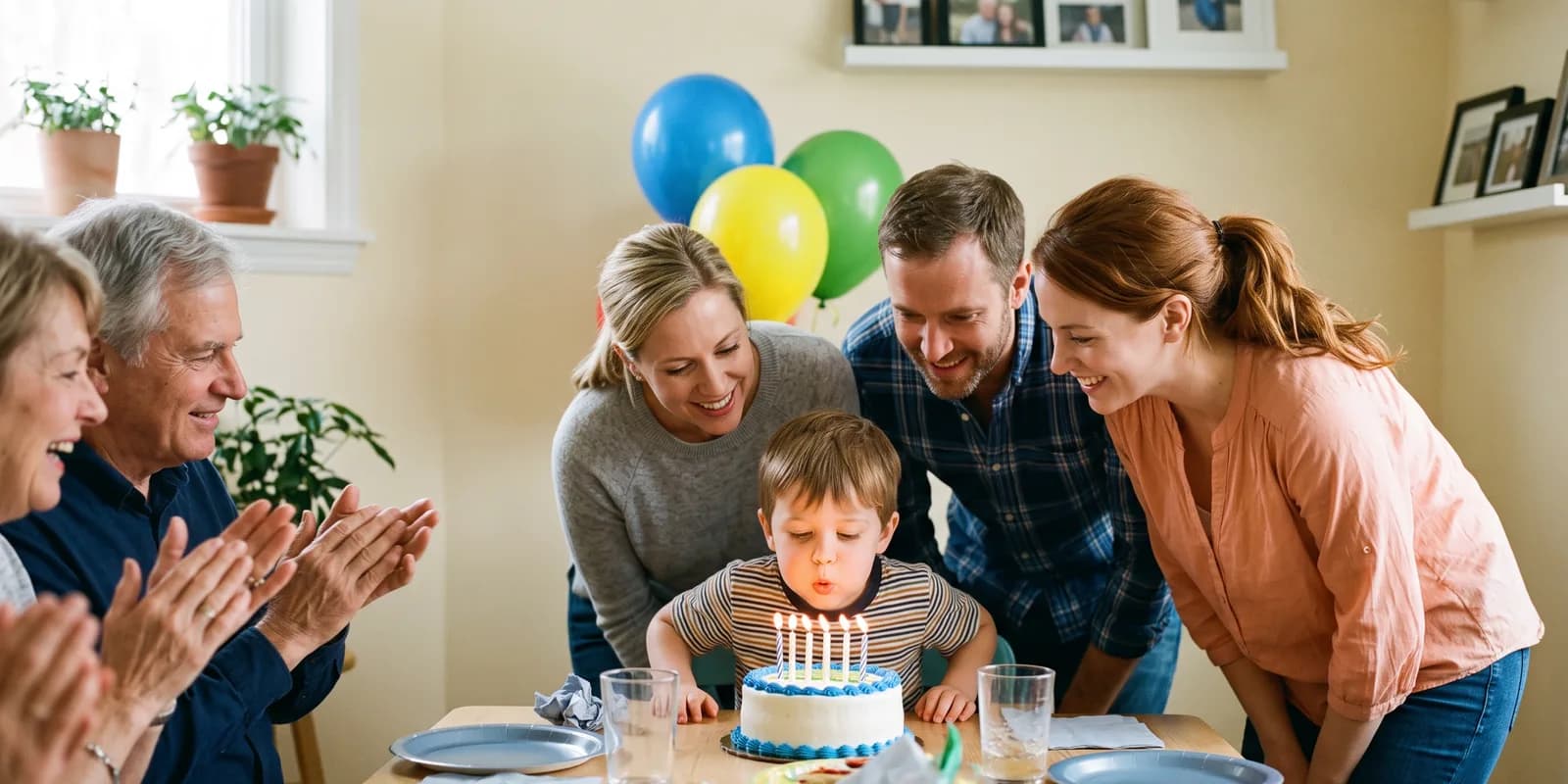
Visits become playdates, birthdays, a trip to the zoo. The child learns the birth mother's name the way they learn an aunt's. Adoption is a story told from the beginning, never a reveal.
Older childhood and the teen years
The child starts to drive the relationship: their own texts, their own questions about medical history, siblings, and why. Open adoption means those questions have a person on the other end, not a sealed file.
What the Research Shows
The longest-running study of openness is the Minnesota/Texas Adoption Research Project, which has followed 190 adoptive families and 169 birth mothers from the 1980s into the adopted children's adulthood, across every level of contact from none to frequent visits. Its findings, in plain terms:
- ●Children are not confused by openness. Adopted adolescents were as well adjusted as non-adopted teens, and their self-esteem and adjustment did not depend on how open the adoption was.
- ●Contact predicts satisfaction. Birth mothers and adoptive parents who had contact were more satisfied with their arrangement than those who did not.
- ●When people were unhappy, it was usually about too little contact, not too much. Dissatisfaction clustered around arrangements that had stopped or stayed thin, not around frequent visits.
- ●Openness helps birth mothers grieve. The birth-mother arm of the study links ongoing contact with better grief resolution and role adjustment over time.
Summaries and papers from the project are collected on the National Library of Medicine and the University of Texas project page. The same conclusion, that secrecy rather than contact is what harms adopted children, now shapes practice at nearly every licensed agency.
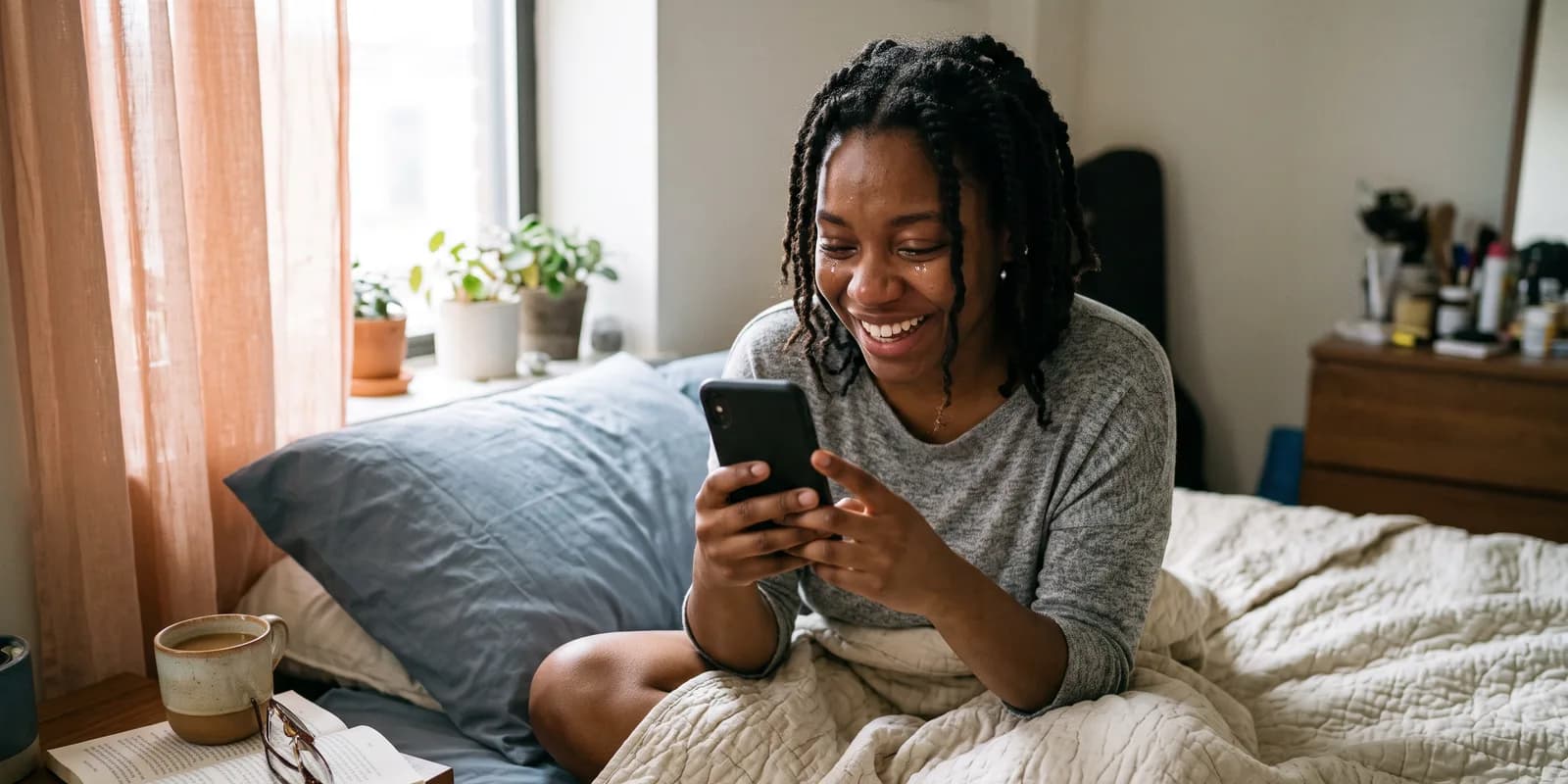
Open Adoption Pros and Cons, Honestly
Why families choose it
- ●The child grows up with their whole story and never has to search for it.
- ●Birth mothers in contact report more peace and less unresolved grief than those without.
- ●Adoptive parents get live medical and family history, not a form filled out once.
- ●Siblings, grandparents, and birth fathers can be part of the child's life when everyone wants it.
- ●Fewer fantasies on every side: real people are easier to love than imagined ones.
What makes it hard
- ●It takes work: calendars, texts, and honest conversations, for years.
- ●Boundaries have to be set and reset as the child grows.
- ●A birth parent who goes quiet, or an adoptive family that pulls back, can hurt the other side badly.
- ●In most states the agreement is a promise, not a court order; it depends on the people keeping it.
- ●Some situations, especially safety concerns, call for less openness, and that is a legitimate choice.
The honest summary from two decades of doing this: open adoption is harder in the first year and easier every year after, because it replaces imagination with people. A closed adoption is easier in the first year and harder later, when the child's questions arrive and nobody can answer them.
Is an Open Adoption Agreement Legally Enforceable?
It depends on the state and on the kind of adoption. According to the Child Welfare Information Gateway, about 29 states and the District of Columbia have statutes allowing a written postadoption contact agreement to be approved by the court and enforced afterward. Enforcement usually means a judge can order the agreed contact to resume or be mediated. It never means undoing the adoption: in every state, a broken contact agreement is not grounds to set aside an adoption decree.
In Utah, where we are licensed, a court-enforceable agreement is generally available only in adoptions of children from foster care. In a private infant adoption the openness plan is a good-faith commitment: written down, agreed by both families, supported and mediated by the agency, and kept because the people involved keep it. In practice that is how most open adoptions run everywhere, including in states that do allow enforcement, because nobody wants to take a family to court over a missed photo update. Our Utah adoption laws page covers the statute.
Two legal facts that do not change with openness: consent to adoption is final once the state's revocation period has passed, and the adoptive parents hold every parental right. Openness is a relationship that sits on top of a completed adoption.
Open Adoption Rules and Boundaries
There is no rulebook written into law. The rules are the ones two families write for themselves, and the families whose open adoptions last tend to write these:
- ●Agree on the rhythm, not just the type: how often, through what channel, and who initiates.
- ●Put it in writing before placement, even in states where it is not enforceable. Written plans get kept.
- ●Decide together how the child will be told, and use the same words in both homes.
- ●Keep adult problems between adults; the child never carries messages.
- ●Social media deserves its own rule: what gets posted, who is tagged, who sees it.
- ●Expect the plan to change. A good relationship renegotiates; a bad one goes silent.
- ●Keep the agency in the loop. Years later, a counselor who knows both families can restart a conversation that stalled.
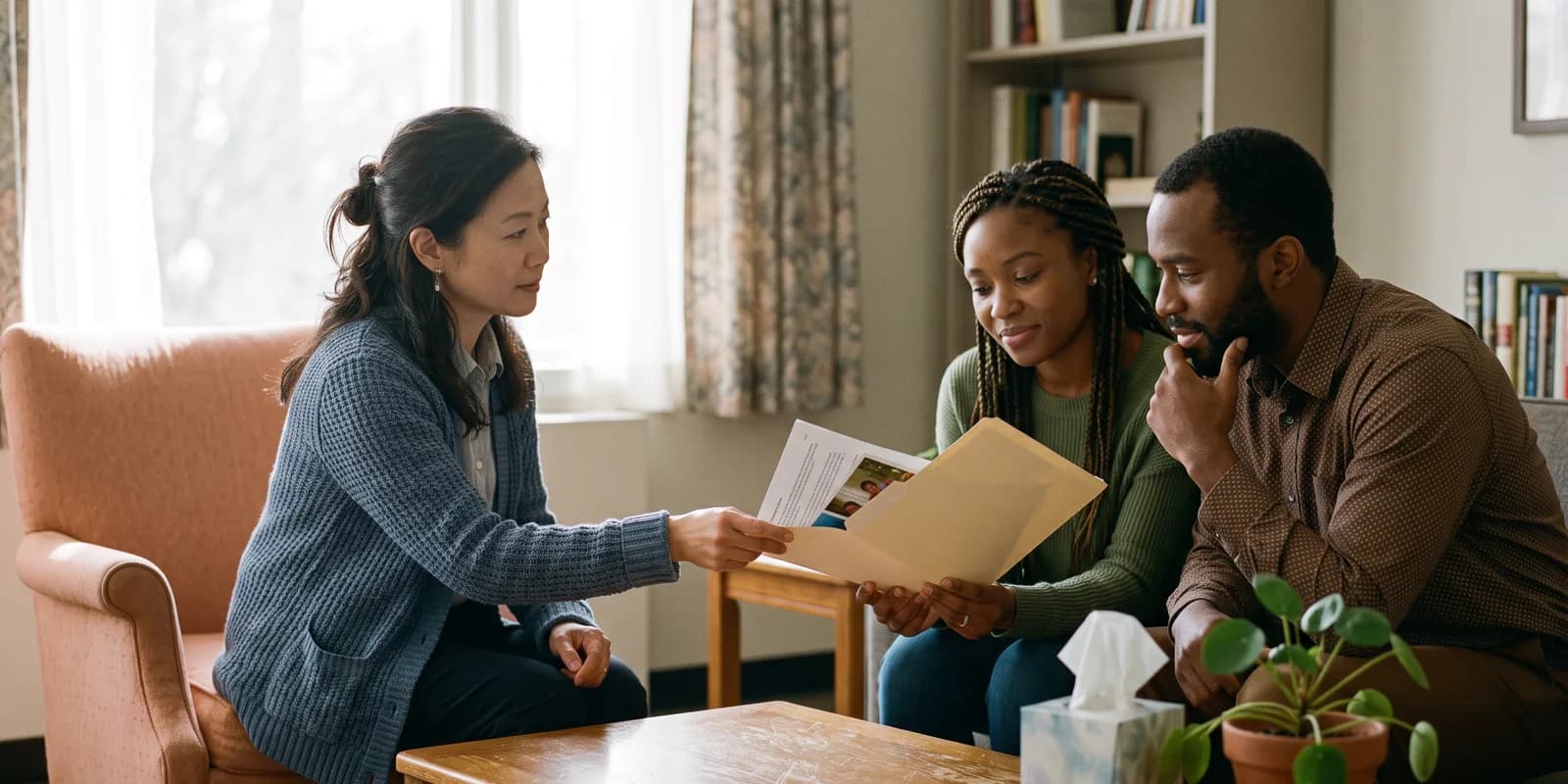
How to Set Up an Open Adoption
If you are pregnant: tell your counselor what you picture, five years from now, knowing about your child, and what you want your child to know about you. That answer becomes the openness in your plan, and your counselor shows you families who want the same thing. Our page on finding an adoptive family explains how choosing works, and openness is one of the things you choose.
If you hope to adopt: decide honestly how much contact you can offer and say so in your profile. Expectant mothers read that line first. Families who offer real openness are chosen sooner, and the relationship you promise is one you will keep for a lifetime, so promise what is true. Our adoptive families hub and the types of adoption guide cover the rest.
Open Adoption FAQ
What is open adoption?+
Open adoption is an adoption in which the birth parents and the adoptive family know each other and keep some form of contact after the placement, from photos and letters to calls, video, and in-person visits. The adoptive parents are the child's legal parents in every way; what stays open is the relationship and the child's access to their own story.
What does open adoption mean for the birth mother?+
It means she chooses the family, knows who they are, and watches her child grow up, at a level of contact she set herself. She is not a co-parent and has no legal rights after consent is final, but she is a known, real person in her child's life rather than a sealed record.
How does open adoption work?+
The birth mother decides what level of contact she wants as part of her adoption plan, and the family agrees to it before placement. After placement the two families keep that contact directly, or through the agency in a semi-open adoption. The agreement usually describes the type and frequency of contact and can grow over time.
What is the difference between open and closed adoption?+
Contact. In an open adoption the families know each other and stay in touch; in a closed adoption no identifying information is shared and there is no contact after placement. Semi-open adoption sits between them, with updates passed through the agency.
Is open adoption confusing for the child?+
The research says no. The Minnesota/Texas Adoption Research Project followed adopted children into adulthood and found their adjustment and self-esteem did not depend on the level of openness, and that the old worries about identity confusion were not borne out. What confuses children is secrecy, not knowing their birth mother's name.
Is open adoption legally binding?+
In about 29 states and the District of Columbia, a written postadoption contact agreement approved by the court can be enforced, usually with conditions, and never by undoing the adoption. In Utah that enforceability is limited to adoptions from foster care; in a private infant adoption the openness plan is a good-faith commitment honored by the family and supported by the agency.
Can the birth mother take the baby back in an open adoption?+
No. Openness does not change the legal adoption. Once consent is final and the adoption is finalized, the adoptive parents are the child's legal parents permanently. Open adoption gives the birth mother a relationship, not custody.
What are the rules of an open adoption?+
There are no legal rules beyond what the two families agree. Good plans spell out the kind and frequency of contact, who initiates, how social media is handled, how the child will be told their story, and how changes are discussed. Agencies help write the plan and can mediate later if it drifts.
Can an open adoption become closed, or a closed one open?+
Both happen. Contact can fade when a birth parent goes through a hard season or a family pulls back, and the agency can help restart it. Closed adoptions can sometimes be opened later through mutual-consent registries or when both sides reach out through the agency.
What is a semi-open adoption?+
An adoption where the families share updates, letters, and photos through the agency rather than directly, usually on a first-name basis. It protects privacy early on and often opens further as trust grows.
Do adoptive parents have to agree to open adoption?+
Families waiting with our agency state the openness they are comfortable with in their profile, and a birth mother chooses a family whose openness matches what she wants. No one is placed into a level of contact they did not agree to.
Does open adoption cost more?+
No. For a birth mother every part of adoption is free, including counseling and her own attorney. For adoptive families, the level of openness does not change agency fees.
Free, Confidential, 24/7
Request a Free Consultation
Choose what brings you here today and our team will reach out within 24 hours.